
How Corruption Influences U.S. Media and Pop Culture

Photo by Sam McGhee on Unsplash
How corruption influences U.S. media is not a fringe concern or a conspiracy theory. It is a structural issue that shows up in what you watch, what you read, and which stories never reach you at all.
Political greed, corruption, and the shaping of America’s culture sit near the center of this system. The second you understand that media companies are businesses tied to advertisers, donors, regulators, and political access, the patterns become easier to spot. Coverage choices, framing, and silence often say more than any editorial ever could.
The Money Pipeline Behind the Message
To understand how corruption influences U.S. media, you have to follow the money. Large media organizations rely on advertising revenue, corporate partnerships, and investor confidence. Those streams rarely stay neutral. When major advertisers have political interests, coverage adjusts. Sometimes the shift is subtle. Sometimes it is glaring.
This financial pressure explains why certain corporate scandals receive endless attention while others vanish. It also explains why political figures tied to powerful donors often receive softer coverage. The result is not always outright lies. More often, it is selective emphasis. Stories get buried. Language softens. Context disappears.
This is how corruption influences U.S. media without requiring a single editor to issue an explicit order. Incentives do the work.
Political Access as a Form of Control
Another layer of how corruption influences U.S. media comes from access journalism. Reporters depend on insiders for scoops, interviews, and early information. Politicians know this. Access becomes leverage.
When a journalist pushes too hard, access dries up. When coverage stays friendly, doors stay open. Over time, this relationship reshapes reporting norms. Tough questions get replaced with safe ones. Structural issues get framed as partisan squabbles instead of systemic failures.
This dynamic feeds media shaped by corrupt politics, where the appearance of balance replaces accountability. You see endless debates about optics while policy consequences fade into the background.
Entertainment as Political Soft Power
Pop culture is not exempt from how corruption influences U.S. media. Entertainment shapes values long before viewers recognize the influence. Films, television, and streaming content often reflect the interests of those who fund them.
Government agencies have a documented history of cooperating with Hollywood in exchange for favorable portrayals. Military hardware, filming access, and technical support come with script approvals. This is not speculation. It is on record, including documentation hosted by high-authority research institutions such as the American Civil Liberties Union at https://www.aclu.org.
This is the influence of power in entertainment at work. Stories that challenge authority face more obstacles. Stories that normalize it receive support.
News Cycles and Manufactured Distraction
Watch the rhythm of breaking news, and you will see how corruption influences U.S. media through distraction. Scandals erupt, dominate the cycle, then vanish without resolution. Outrage becomes a product, not a process.
This constant churn benefits those in power. Public attention stays fragmented. Long-term investigations struggle to survive in an environment optimized for clicks and outrage. Corruption thrives when accountability loses airtime.
This is also where media manipulation becomes most effective. Emotional framing drives engagement. Structural analysis does not.
Algorithmic Bias and Digital Amplification
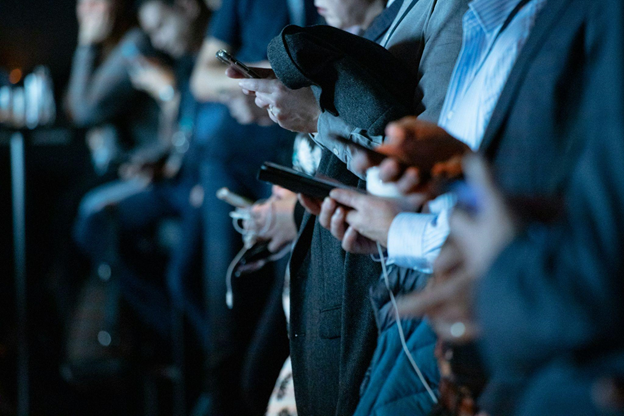
Digital platforms added a new layer to how corruption influences U.S. media. Algorithms reward content that provokes a reaction. Calm, evidence-based reporting rarely wins that contest.
Political actors understand this. Messaging gets tailored for virality rather than truth. Media outlets adapt or lose relevance. The result is a feedback loop where distortion spreads faster than correction.
This is not accidental. It reflects a system where attention equals revenue, and outrage equals attention.
Cultural Narratives and Normalized Corruption
Over time, how corruption influences U.S. media shapes what feels normal. When corruption appears constant and unresolved, audiences grow numb. Scandals stop shocking. Cynicism replaces engagement.
Pop culture reinforces this mindset. Antiheroes thrive. Corrupt systems feel inevitable. Accountability feels naive. This does not happen overnight. It develops through repeated exposure to stories that frame corruption as background noise rather than a solvable problem.
The Cost to Public Trust
One of the most damaging effects of how corruption influences U.S. media is the erosion of trust. When audiences sense bias, omission, or selective outrage, skepticism grows. Unfortunately, that skepticism often gets weaponized.
Bad actors exploit distrust to discredit legitimate reporting. Real investigations get lumped in with propaganda. Truth becomes just another opinion. This breakdown benefits corruption more than exposure ever could.
Independent Media and Structural Resistance
Not all media bends the same way. Independent outlets, nonprofit journalism, and investigative reporters continue to challenge how corruption influences U.S. media. Their work proves that resistance is possible, but costly.
These organizations face funding struggles, legal pressure, and limited reach. Their survival depends on public support and media literacy. Without readers who value depth over speed, even the strongest reporting struggles to survive.
Pop Culture as a Mirror and a Mask
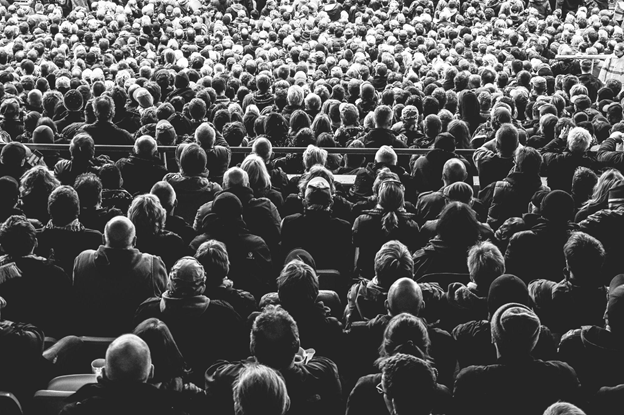
Pop culture reflects how corruption influences U.S. media, but it also hides it. Satire exposes truths that straight reporting sometimes cannot. At the same time, entertainment can dilute seriousness by turning systemic harm into spectacle.
When corruption becomes content, it risks losing urgency. The story entertains, but nothing changes.
Why Awareness Still Matters: How Corruption Influences U.S. Media
Understanding how corruption influences U.S. media does not require cynicism. It requires attention. When you recognize patterns, framing choices become visible. Silence becomes meaningful. Repetition becomes suspect.
This awareness does not mean rejecting all media. It means consuming it with context. Power depends on invisibility. Clarity disrupts that.
A Cultural Turning Point Worth Reading About
If these patterns feel familiar, that is because you are living inside them. Stories shape perception. Perception shapes culture. Culture shapes power.
This is why books that confront these dynamics matter. The Turn by Dennis Joiner explores how influence, compromise, and moral pressure reshape individuals and systems from the inside out. The story resonates because it mirrors the real-world forces you see every day in politics, media, and culture.
If you want a narrative that sharpens your understanding of power without preaching, The Turnis worth your time. It offers insight through story, which is often the most honest way to see the truth hiding in plain sight.
Understanding how corruption influences U.S. media is about discernment. Culture shifts when enough people learn how to read between the lines.

Dennis Joiner
Dennis Joiner, a mathematics and computer science graduate from Southern Illinois University, critiques American society through "system thinking." After a career in IT, he retired in 2016 to focus on writing and social commentary, envisioning a future free from societal pain.
0 Comments