
How Does Population Stimulate Social Change? Learn Why People, Not Systems, Shape Society
Introduction: Why Social Change Always Starts With People
Read this guide to understand how awareness, numbers, and human behavior create lasting change
Every society wants to explain change through systems. Laws. Governments. Policies. Technology.
But systems do not think. They do not feel pressure. They do not wake up one day and decide something is wrong.
People do.
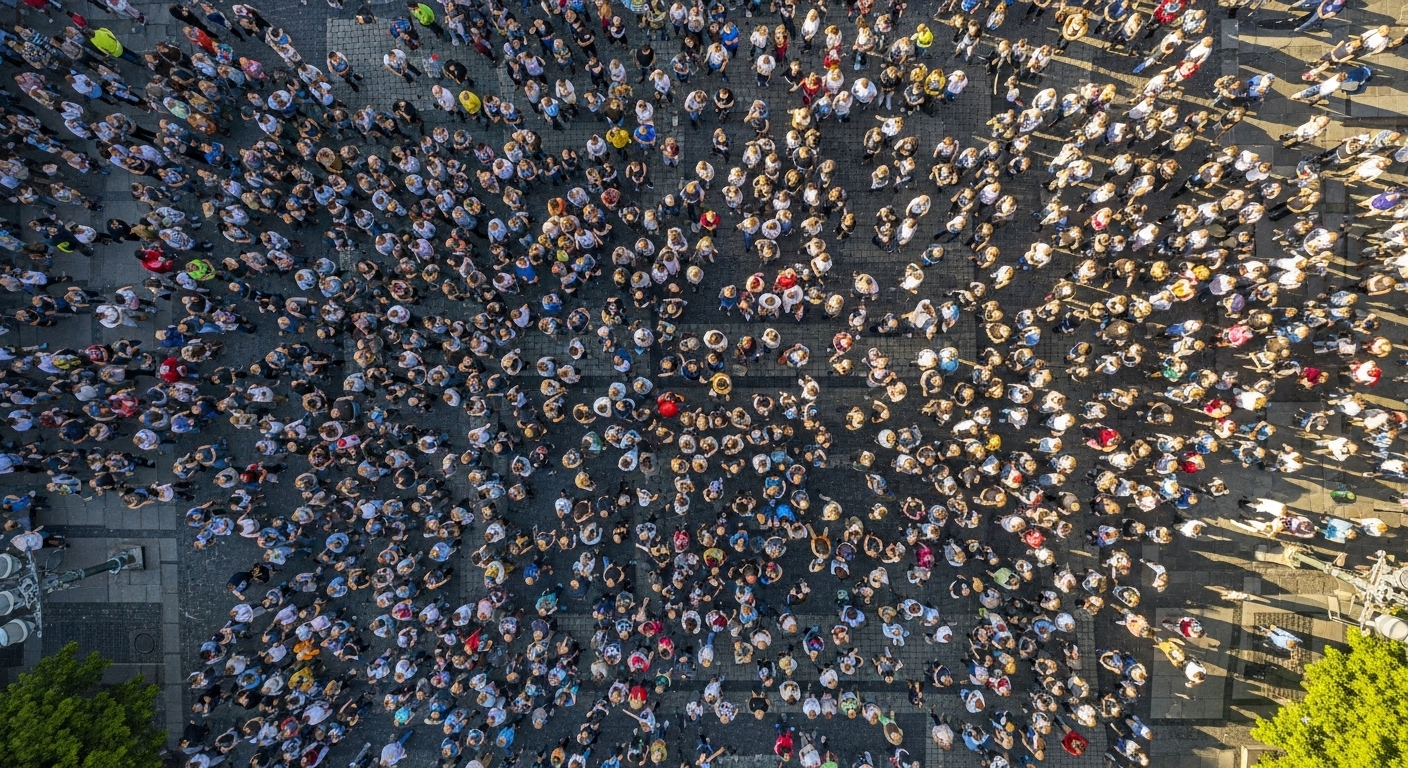
When populations grow, shift, or awaken, society moves with them. This is why population plays such a strong role in social change. It shapes how people live, what they tolerate, and what they demand.
Social change is not sudden. It is built slowly as people respond to shared conditions. When enough people reach the same conclusion, society cannot stay the same.
This article explains how population stimulates social change, using clear language, real examples, and a human lens that goes beyond textbooks.

Speculative Social Commentary
The Turn
By Dennis Joiner
Humanity stands at the crossroads of consciousness and control. The Turn is a striking vision of our possible future — where technology, identity, and morality collide in a world desperate for transformation.

Book About Race, Justice & Equality
Let the Playing Field
Level the Playing Field
By Dennis Joiner
A powerful, unapologetic call for awareness and change. Dennis Joiner exposes how history and systems keep the field tilted — a profound look at justice, humanity, and truth.
What Social Change Really Means
Social change refers to lasting shifts in how a society:
- Organizes itself
- Defines right and wrong
- Distributes power and opportunity
- Treats different groups
- Responds to stress and conflict
These changes affect everyday life, from family roles to education, work, politics, and culture.
Social change is not always loud. Sometimes it looks like a protest. Other times, it looks like a quiet refusal to accept old norms.
Population change acts as the force that pushes these shifts forward.
Why Population Is a Powerful Driver of Change
Population matters for one main reason: shared experience.
When many people experience the same pressure at the same time, awareness grows. When awareness grows, action follows.
Population stimulates social change in four major ways:
- Size
- Density
- Movement
- Consciousness
Each plays a different role, but together they create momentum.
Population Size and Collective Pressure
Growth Creates Demand
As the population increases, demand rises for:
- Jobs
- Housing
- Schools
- Healthcare
- Transportation
- Representation
When systems fail to meet these needs, tension builds. People begin to ask questions. Why is this unfair? Why does this system no longer work?
These questions are the early signs of social change.
Numbers Turn Frustration Into Force
One person struggling is invisible. Thousands struggling becomes a pattern. Millions struggling become a movement.
Population size gives people leverage. It allows shared problems to become visible and impossible to ignore.
This is how social pressure forms. Not through theory, but through lived reality.
Population Density and Social Awareness
Why Cities Change Faster Than Rural Areas
Dense populations increase contact. People see each other’s lives up close. They hear different opinions. They witness inequality and opportunity side by side.
This proximity accelerates:
- Emotional awareness
- Moral questioning
- Cultural exchange
Cities often become centers of social change because people cannot remain isolated from each other’s realities.
Exposure Breaks Old Assumptions
When people live near others who are different, their beliefs get tested. Some resist. Others reflect.
Over time, exposure reshapes how societies think about:
- Identity
- Fairness
- Belonging
This process is slow but powerful.
Migration and the Reshaping of Society
Movement Forces Change
When populations move, societies must adjust. Migration challenges:
- Cultural norms
- Economic structures
- Political balance
People bring their values with them. These values do not disappear. They mix, clash, and evolve.
Migration forces societies to answer difficult questions:
- Who belongs?
- Who decides?
- What values matter most?
These questions drive social change.
Internal Migration Matters Too
Movement within a country is just as important. Rural to urban shifts, suburban expansion, and regional migration all reshape power and culture.
When people relocate for work, safety, or opportunity, social structures shift with them.
Demographics and Generational Power
Why Generations Matter
Each generation grows up under different conditions. These conditions shape beliefs about:
- Authority
- Freedom
- Responsibility
- Justice
When a new generation becomes the majority, society feels the shift.
This is why major social changes often follow:
- Population booms
- Youth surges
- Demographic transitions
Population age structure influences what a society prioritizes.
Generational Awareness Builds Over Time
Young generations often question what older generations accepted. This questioning is not rebellion for its own sake. It is a response to lived experience.
As awareness spreads, old ideas lose their grip.
Population and Levels of Awareness
Social change mirrors self-awareness stages, but on a group scale.
Stage 1: Passive Acceptance
People accept existing conditions. Change feels unnecessary or dangerous.
Stage 2: Questioning
Population stress introduces doubt. People begin asking why things are the way they are.
Stage 3: Emotional Awareness
Shared hardship creates shared emotion. Frustration, fear, and hope spread across groups.
Stage 4: Collective Awareness
People realize they are not alone. This recognition is powerful.
Stage 5: Action
Once awareness reaches a tipping point, organized action begins.
Population size accelerates movement through these stages.
Human Consciousness and Social Shifts
Awareness Expands Through Connection
Human consciousness grows through interaction. The more people connect, the harder it becomes to ignore reality.
Large populations increase:
- Dialogue
- Comparison
- Reflection
This expansion of awareness is often described as an awakening. It is not sudden. It is cumulative.
Consciousness Shapes Values
As awareness deepens, societies reevaluate:
- What is fair
- What is harmful
- What should continue
- What must change
Population does not create values. It reveals them.
Facts and Statistics That Support the Pattern
- Over 55 percent of the global population now lives in urban areas, compared to 30 percent in 1950
- Studies show that dense populations experience faster cultural and social shifts due to frequent interaction
- Major social movements often coincide with population growth, youth expansion, or migration waves
These patterns appear across countries and time periods.
When Population Fuels Conflict Instead of Progress
Population alone does not guarantee positive change.
Large populations can also amplify:
- Fear
- Division
- Misinformation
When awareness remains low, growth increases tension instead of resolution.
This is why social change depends on emotional awareness, not just numbers.
The Role of Emotional Awareness
Emotion Drives Action
People act when they feel something deeply. Anger exposes injustice. Hope sustains effort.
The population spreads emotion quickly. Shared emotion binds people together.
Without emotional awareness, social change stalls.
Awareness Creates Responsibility
As people become more aware, responsibility grows. Awareness without responsibility leads to chaos. Awareness with responsibility leads to reform.
How Individual Growth Scales Into Social Change
Every social shift begins with individuals.
When people grow in self-awareness, they:
- Question harmful norms
- Refuse blind acceptance
- Choose ethical action
When many individuals grow at once, society shifts.
Population acts as the amplifier. Personal growth is the seed.
Why Social Change Takes Time
Change feels slow because awareness develops gradually.
Beliefs do not disappear overnight. Social habits resist disruption. But once awareness spreads far enough, change becomes unavoidable.
Population ensures that awareness, once sparked, cannot be contained forever.
FAQs
How does population stimulate social change?
Population increases shared experience, awareness, and collective power, which forces societies to adapt.
Is population growth always good for society?
No. Growth without awareness can increase conflict and inequality.
What role does awareness play in social change?
Awareness turns shared experience into action and reform.
How does migration affect social values?
Migration introduces new perspectives that challenge existing norms.
Can individuals influence social change in large populations?
Yes. Individual awareness spreads through example, dialogue, and action.
Final Call to Action: Join the Conversation
Social change is not abstract. It is personal.
If this article helped you understand how people shape society:
- Save it for reflection
- Share it with someone who loves history or human behavior
- Leave a comment with your thoughts on how awareness creates change
Understanding is the first step. Conversation keeps it alive.

Dennis Joiner
Dennis Joiner, a mathematics and computer science graduate from Southern Illinois University, critiques American society through "system thinking." After a career in IT, he retired in 2016 to focus on writing and social commentary, envisioning a future free from societal pain.
0 Comments