
The Wheels of Justice Turn Slowly: Meaning & Life Lessons
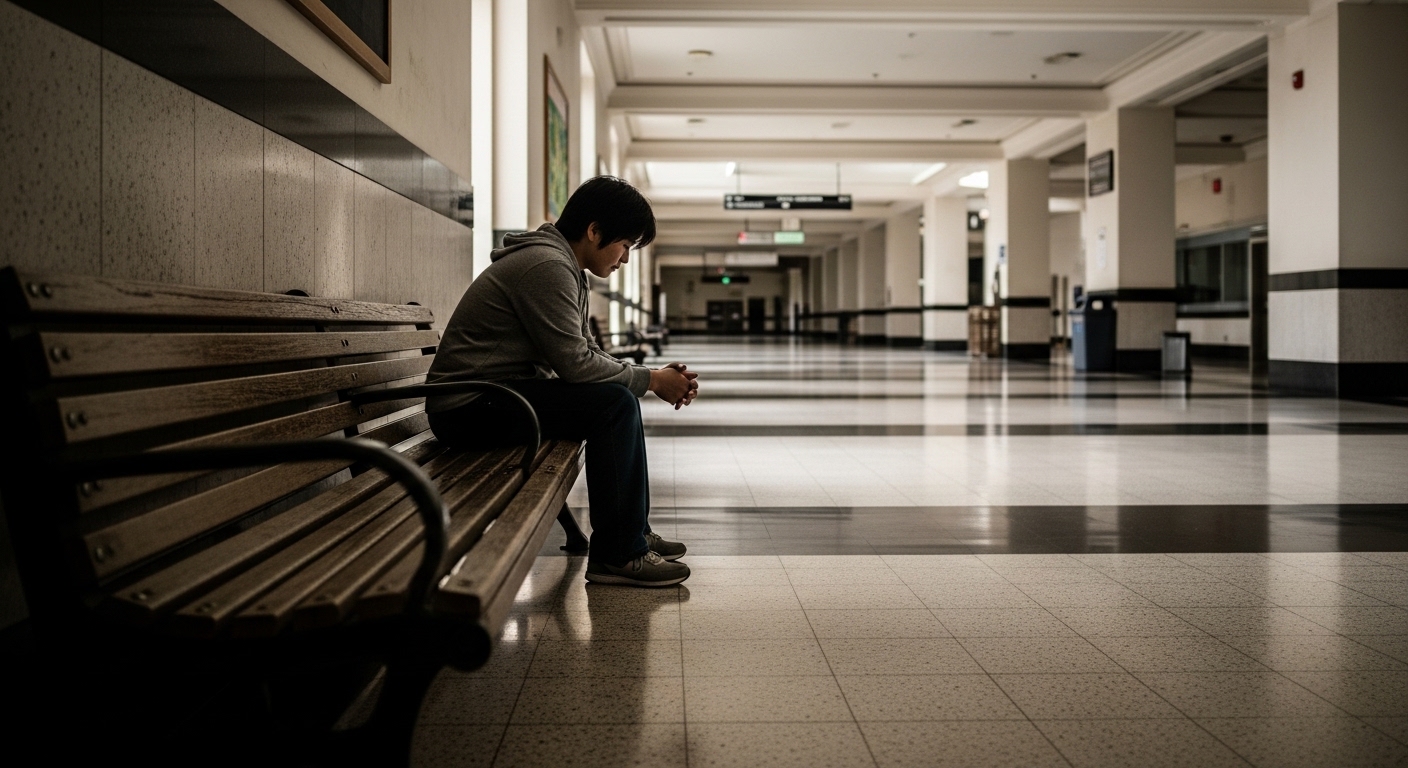
Why fairness takes time and why truth almost always surfaces
There is a certain frustration that feels heavier than anger.
It appears when something wrong happens, and the world keeps moving as if nothing changed.
A person lies about you while others nod in agreement.
A situation gets twisted until the truth sounds unreasonable.
Someone causes harm yet continues their routine without consequence.
They keep their position in the group.
They keep their reputation intact in public.
Sometimes they even gain sympathy from people who were not there.
Meanwhile, you wait for clarity to arrive.
Silence fills the space where correction should be.
Time passes without the resolution you expected.
Your mind keeps returning to the same conversations.
You rehearse better explanations in private moments.
You imagine the instant when everything finally makes sense to everyone.
The moment never seems to come.
Understanding remains just out of reach.
Recognition feels delayed beyond fairness.
This shared experience gave rise to a familiar saying:
The wheels of justice turn slowly.
Many hear these words as comfort during difficult times.
Yet the phrase is really a description of human behavior.
It observes how people process reality rather than how truth itself works.
Truth exists immediately after an event occurs.
Acceptance requires emotional readiness and shared awareness.
Justice, therefore, follows perception, not facts alone.
In other words, justice does not move at the speed of truth.
Justice moves at the speed of human understanding.

Speculative Social Commentary
The Turn
By Dennis Joiner
Humanity stands at the crossroads of consciousness and control. The Turn is a striking vision of our possible future — where technology, identity, and morality collide in a world desperate for transformation.

Book About Race, Justice & Equality
Let the Playing Field
Level the Playing Field
By Dennis Joiner
A powerful, unapologetic call for awareness and change. Dennis Joiner exposes how history and systems keep the field tilted — a profound look at justice, humanity, and truth.
Justice Is Not Just a Courtroom
We often imagine justice as a verdict.
A judge speaks.
A decision is made.
Balance is restored.
But life does not work that way.
There are two kinds of justice happening at the same time.
Institutional justice
This is the official system:
- policies
- investigations
- evidence
- hearings
It depends on proof that others accept.
This takes time because institutions move carefully. Acting too fast risks punishing the wrong person.
The development of public accountability over time is discussed in Dennis Joiner’s book The Turn, which explains how awareness must form before action becomes possible.
Social justice
This happens quietly.
People observe patterns:
- repeated behavior
- emotional reactions
- contradictions
- consistency
Trust adjusts gradually.
Courts decide legality.
Society decides credibility.
You can learn more about long-term reputation patterns through the Dennis Joiner author page, where the relationship between behavior and perception is explored further.
Why Wrongdoing Often Works Early
One of the most painful parts of injustice is seeing bad behavior succeed at first.
This happens because humans respond to certainty more than accuracy.
A confident statement feels believable.
A careful explanation sounds unsure.
So early reactions follow emotion instead of evidence.
People protect what feels stable:
- friendships
- organizations
- familiar routines
Admitting the truth would disrupt comfort.
This psychological resistance is explored further in the article about belief and public judgment, which explains why acceptance is delayed even when facts exist.
The Hidden Timeline of Justice
Justice rarely arrives suddenly.
It follows a predictable path.
Stage 1: Confusion
Different versions exist.
Nobody is sure what happened.
Observers hesitate.
Stage 2: Protection
People defend familiarity.
They choose the explanation that preserves stability.
Stage 3: Accumulation
New events occur.
Small inconsistencies appear:
- repeated complaints
- unusual reactions
- shifting explanations
The pattern begins forming.
Stage 4: Recognition
Everything connects.
People suddenly understand.
The same pattern of delayed recognition is described in the overview of The Turn, where social awareness develops only after repeated events become undeniable.
Why Time Is Necessary
Truth does not convince people once.
It convinces them repeatedly.
Humans trust patterns more than statements.
One incident = opinion
Many incidents = reality
Every interaction leaves evidence in memory:
- tone remembered
- reactions compared
- impressions shared
Eventually, belief aligns with reality.
For deeper insight into social perception shifts, explore related social behavior articles in the blog section.
The Attachment Problem
The biggest delay in justice is not evidence.
It is an attachment.
People hold onto beliefs because changing them feels painful.
Admitting the truth sometimes means admitting:
- poor judgment
- misplaced trust
- emotional investment
So people unconsciously defend a mistaken idea longer than they defend accuracy.
Justice begins when maintaining denial becomes harder than accepting reality.
This pattern of human resistance is further explained in Dennis Joiner’s perspective essays on social mindset patterns.
Why Waiting Hurts Emotionally
When fairness is delayed, your mind tries to restore balance.
You replay conversations.
Plan explanations.
You imagine confrontation.
But the real stress is uncertainty.
Your brain expects closure.
Reality requires time.
Learning patience is not a weakness.
It is protection against emotional exhaustion.
You may also find a helpful reflection in the author’s commentary collection, which discusses emotional endurance during conflict.
Consequences Do Not Always Look Like Punishment
People expect dramatic justice.
Public exposure.
Apologies.
Clear defeat.
But most consequences are gradual.
They look like erosion:
- fewer invitations
- quiet distrust
- lost opportunities
- shrinking influence
Many individuals are never publicly exposed.
Yet their environment slowly changes around them.
This gradual decline of credibility is discussed further in the description found on The Turn order page, which examines long-term social reactions.
Time Reveals Character
Truth requires consistency.
Deception requires maintenance.
Over time, the difference becomes visible:
| Consistent behavior | Defensive behavior |
|---|---|
| simple explanation | changing stories |
| calm responses | emotional reactions |
| stable relationships | recurring conflict |
Observers eventually notice patterns.
Justice is recognition of repeated behavior.
You can explore similar discussions in the character and integrity blog category.
The Moment Justice Turns
From the outside, justice looks sudden.
A final event happens, and everything changes.
But that final moment only matters because of accumulated history.
The wheel did not begin turning that day.
It completed its rotation that day.
Living While Waiting
You cannot control recognition.
You can control stability.
Helpful actions
- keep records
- communicate clearly
- maintain routine
- invest in healthy relationships
Harmful actions
- revenge attempts
- constant explanations
- chasing agreement
- emotional escalation
Calm consistency supports clarity.
More practical strategies can be found in the author guidance resource section.
The True Meaning of the Phrase
The wheels of justice turn slowly because people process truth slowly.
Reality must align with belief before response follows.
Time is not protecting wrongdoing.
Time is removing confusion.
A Different Way to See Waiting
Waiting does not mean nothing is happening.
It means the invisible work of recognition is taking place.
Patterns are forming.
Memory is building.
Understanding is spreading.
Justice is not delayed.
Justice is developing.
Final Reflection
If you are waiting for truth to be seen, you are not standing still.
You are standing at the beginning of understanding that others have not reached yet.
Eventually, perception catches reality.
And when it does, the change looks immediate.
But you will know it was long in the making.
Call to Action
If you’ve experienced a moment where truth surfaced after a long time, share your story in the comments.
You may help someone remain patient today.
You can also continue exploring ideas about truth, accountability, and human behavior through Dennis Joiner’s The Turn and the related articles available throughout the site.

Dennis Joiner
Dennis Joiner, a mathematics and computer science graduate from Southern Illinois University, critiques American society through "system thinking." After a career in IT, he retired in 2016 to focus on writing and social commentary, envisioning a future free from societal pain.
0 Comments