


Photo by WikimediaCommons
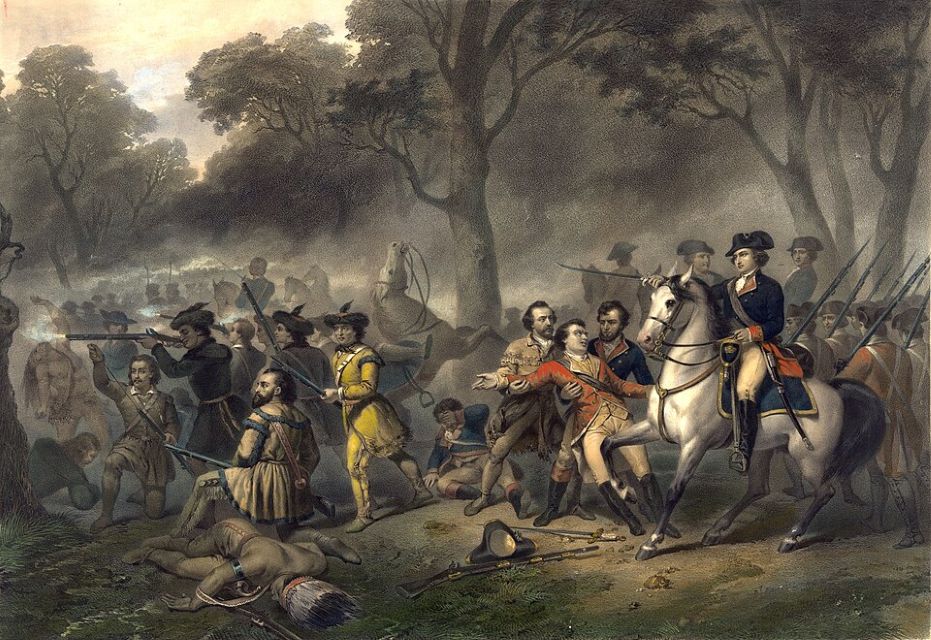
The history of political messaging and strategy can be segmented into eclectic styles, with each generation inheriting the tactics of those who came before and building upon them. From George Washington to Donald Trump, the way leaders speak to the American people has been different every time.
When Washington first became a political actor, he understood keenly that his words carried immense weight; so, he carefully assigned meaning to every public address he made.
From then on, political messaging has evolved.
Now, political messaging is not only a way to win elections. Political messaging, primarily, is about learning how to control the narrative. Leaders use political rhetoric and framing to make complex ideas feel simple and urgent, and rely on strategic political discourse to divide problems into us-versus-them battles.
Over time, shaping public opinion has become more sophisticated, using television, social media, and even entertainment to reach voters where they live.
Though electoral persuasion tactics now include targeted ads, viral moments, and carefully leaked stories, the underlying psychology of persuasion has changed little.
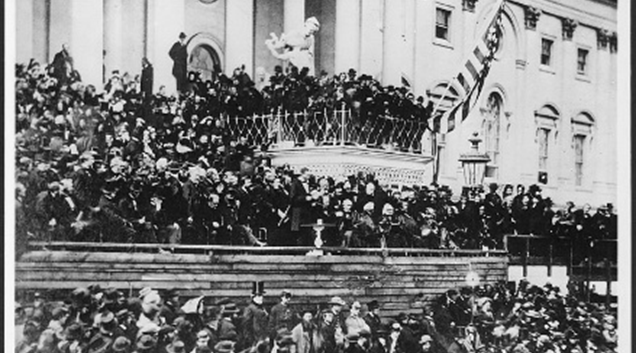
Photo by LibraryOfCongress
How Early America Shaped Political Messaging
The founding generation of the US faced a unique challenge because they had to convince ordinary people to trust a new and untested government. They did so primarily through copious writing.
Washington’s Farewell Address warned against the formation of political factions and foreign entanglements. That speech was political messaging at its most deliberate because it framed loyalty to the nation as a moral duty.
Meanwhile, Thomas Jefferson and Alexander Hamilton fought through newspapers, using pseudonyms to attack each other’s character–early campaign communication strategies which relied on print and public rallies.
During this time, political rhetoric and framing often invoked God, liberty, and the danger of tyranny (which was most often associated with monarchy).
By the 1800s, strategic political discourse included slogans, songs, and parades. Andrew Jackson presented himself as a man of the people, not a member of the elite, despite the reality. His methods of transforming public opinionturned rough edges into authenticity.
From then on, electoral persuasion tactics grew more aggressive as voting expanded to more white men. Political parties became machines for delivering votes, handing out food, whiskey, and jobs in exchange for loyalty.
Political messaging became less about ideas and more about identity.
The Rise of Radio and Television
Franklin Roosevelt understood radio better than any other president. His fireside chats made political messaging feel intimate and personal, even natural, with families gathering around the radio to hear his voice explain the New Deal.
Campaign communication strategies shifted from rallies to living rooms. Political rhetoric and framing emphasized calm competence during the Great Depression and World War II.
Through a thorough understanding of new media, Roosevelt mastered strategic political discourse by talking to people at their level and about their problems without sounding like a lecturer, inviting everyday Americans to solve problems together.
By the 1960s, television changed everything. John F. Kennedy’s press conferences were performances, while Richard Nixon’s 1972 re-election campaign manipulated public opinion through carefully staged events.
Electoral persuasion tactics now include attack ads, sound bites, and image consultants, where Lyndon Johnson’s “Daisy” ad suggested his opponent would start a nuclear war.
Political messaging became more emotional and less rational.
As Joiner writes, “Propaganda played an important role in the ‘50s as another war tactic of the Cold War.”
That same machinery was turned inward, shaping how Americans saw their own leaders.
The Era of Identity and Outrage
The 1980s and 1990s saw political messaging become more theatrical, with Ronald Reagan, a former actor, rising through sheer charisma.
His campaign communication strategies used optimism to mask policy shifts, while his political rhetoric and framing painted government as the problem, not the solution.
Joiner observes that “the media’s ability to frame certain narratives would have a substantial impact on we-the-people.”
That framing grew sharper in the 1990s with the rise of 24-hour news.
Bill Clinton’s political messaging smartly adapted to this faster pace, using town halls and late-night television to bypass traditional gatekeepers.
But the real shift came with the Internet.
Online forums, blogs, and eventually social media gave everyone a platform, splintering the traditional political rhetoric and framing into competing realities.
What one side calls truth, the other calls fake news.
Trump and the Modern Information War
Donald Trump did not invent modern political messaging–not even close–but he weaponized it like no one before. His campaign communication strategies relied on Twitter, rallies, and constant confrontation, turning every news cycle into a battle between “patriots” and “enemies within”.
Strategic political discourse abandoned traditional speechwriters in favor of raw, unfiltered bursts of emotion. Supporters shared memes, while opponents fact-checked in real time.
Joiner writes that “the American people have been deceived by Democrat politicians who promise reforms and policies to address their socioeconomic needs, while continuing to promote policies that are ruining the country.” Trump flipped that accusation onto the entire establishment, promising to “drain the swamp” and restore a lost America. Whether supporters believed every word mattered less than the feeling that he spoke up for them and always had their back.
The result was a presidency defined by constant noise and deep loyalty.
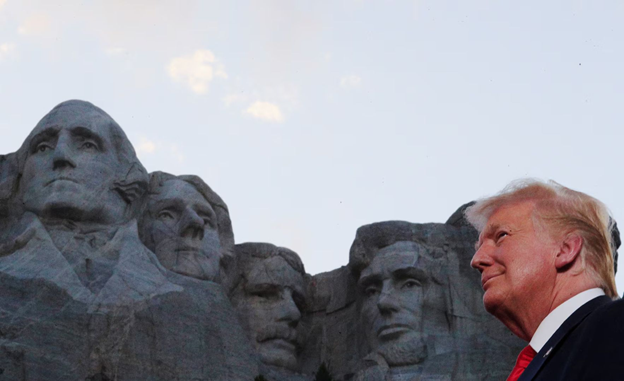
Photo by Reuters
Where Political Messaging Goes From Here
The future of political messaging will likely grow more fragmented. Several campaign communication strategies already include TikTok dances, podcast interviews, and AI-generated content. Genuine grassroots movements now compete with foreign influence campaigns and domestic conspiracy networks.
Electoral persuasionmust now navigate a public that trusts almost no one.
Joiner warns that “the corporate media in America is no longer involved in journalism. They’re a special political interest group,” and that distrust cuts both ways: voters assume everyone is lying, so political messaging shifts from persuasion to mobilization.
The goal is no longer to change minds but to turn out your side.
Political rhetoric and framing become a weapon of tribal defense, with the concept of finding common ground becoming more and more questioned.
Without shared facts, strategic political discourse cannot function. Public opinion shaping becomes a race to the bottom, and electoral persuasion tactics only win by shrinking the electorate, not expanding it.
To understand how we arrived at this fractured moment, read The Turn by Dennis Joiner.


0 Comments