


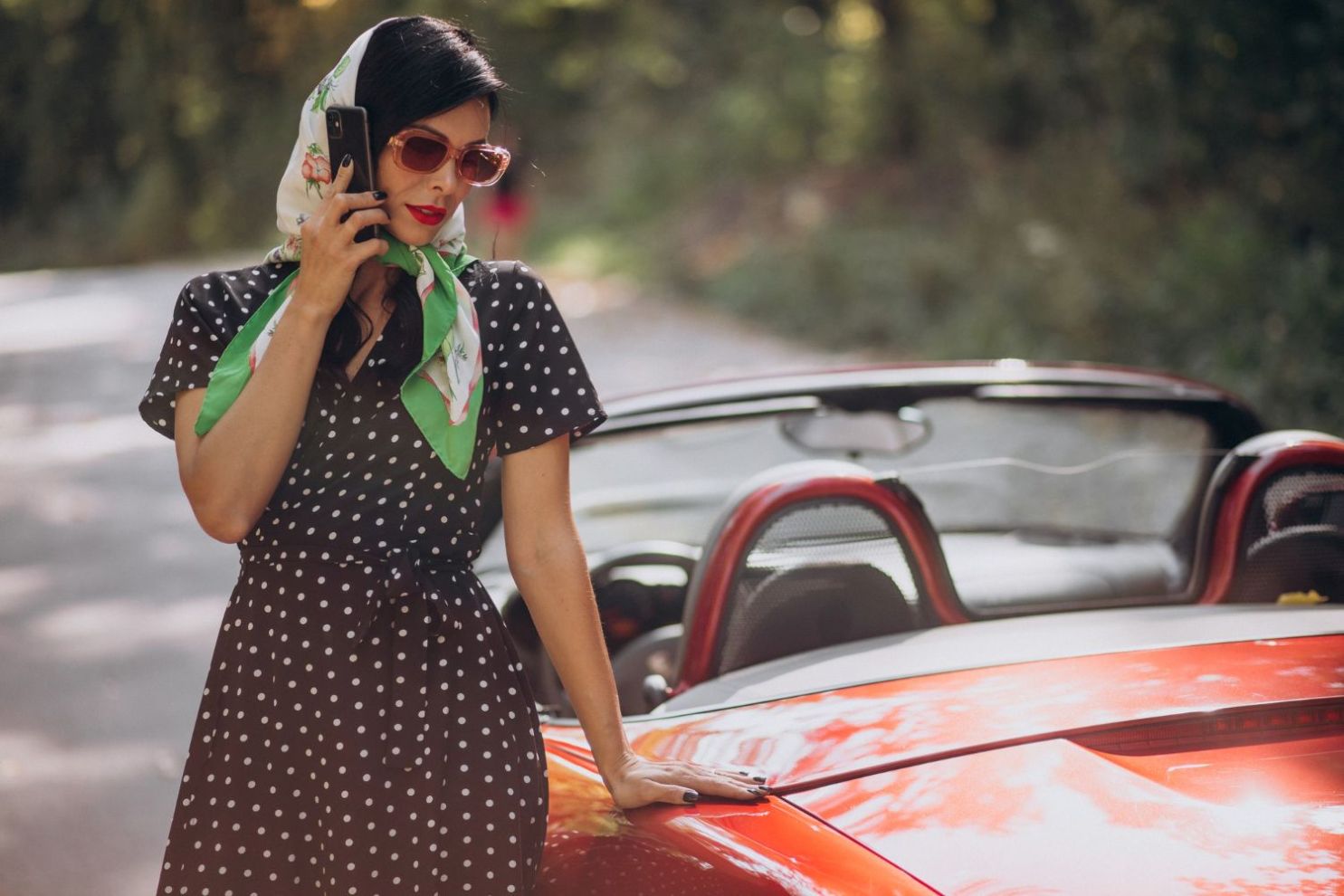
Photo by senivpetro
Life in America looks very different now than it did for our grandparents and great-grandparents, and looking through the lens of American history, we can see the major cultural shiftsthat have shaped our daily lives: from the clothes we wear to the way we talk to our friends, almost everything has changed.
Let’s explore that almost century of change, from the quiet 1950s to the fast-paced world of the 2020s. We will see how ideas and inventions moved us from one era to the next, creating the societal transitions that we still feel reverberating even in our current paradigm.
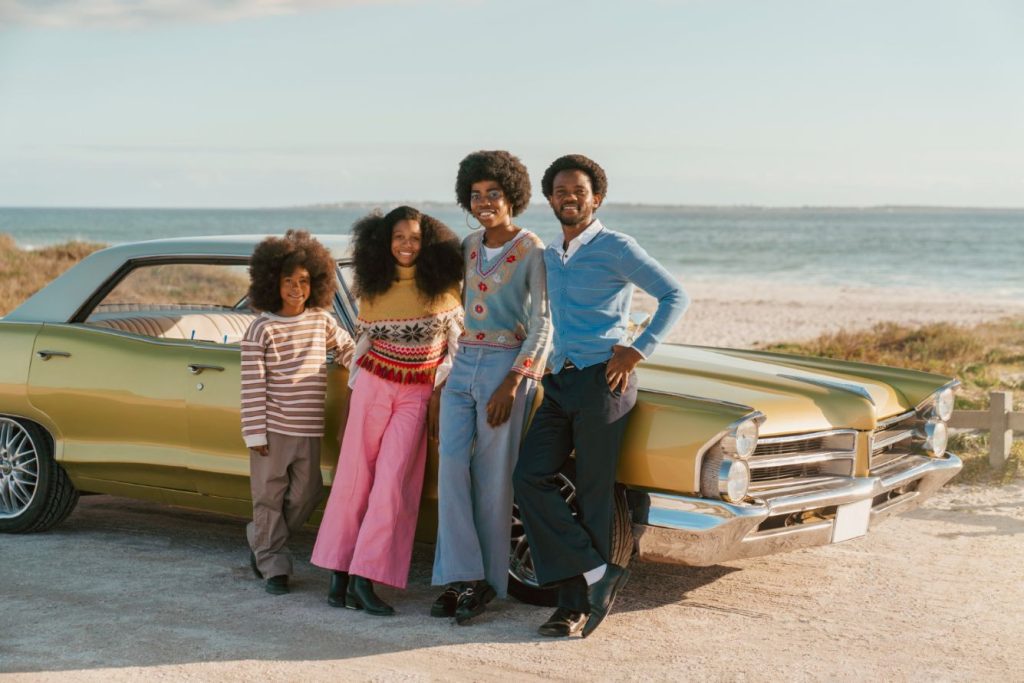
Photo by freepik
The 1950s: The Starting Point of Modern Life
The 1950s were a time like no other: World War II was over, soldiers were coming home ready to start families, the economy was looking impermeable, and the country was becoming the great nation it was always destined to become. This created the “baby boom” because, for the first time, since the end of the Great Depression, many families could afford a nice house and a car: the beginnings of modern, suburban life, when people started moving from cities to new neighborhoods just outside of town–the American Dream of the white picket fence and the green lawn was realized.
This decade was also the birth of the teenager: benefiting from the economic boom their parents and grandparents were contributing to, young people had money to spend and the free time to look for options.
During this period, rock ‘n’ roll was just getting on its legs with Elvis Presley shaking his hips and shocking parents. But the kids and everyone loved it.
At this time, almost every home had a television–those big, clunky ones that only showed black and white–providing families opportunities and spaces to gather and watch shows like I Love Lucy, which presented a happy, simple view of a family life that everyone could aspire towards.
Aside from the home television, there were also big technological shifts happening in the background that brought more of the world into the living room.
Everything seemed calm and right on the surface, but massive changes were on the horizon.
The 1960s and 1970s: A Time of Breaking Rules
If the 50s were about fitting in, the 60s and 70s were all about standing out. During these two decades, the biggest change was the fight for civil rights with African Americans (and other minority groups) demanding equal treatment under the law–as was their due.
This was the time of people like Rosa Parks and Martin Luther King Jr., who led a movement that wished to and did change the country forever, establishing a deep historical transformation of the nation’s laws and hearts that are still felt even to this day.
As the fight for equality raged on, young people also began to question the government, especially its involvement with foreign conflicts. Thus, this was the time when thousands of students and young people protested the Vietnam War, which had been going on for far too long and killing too many Americans. These massive thrusts against the established order were an indication that a mistrust of the old ways of doing things was already being cultivated and grown. Lo, behold, counter-culture movement, where hippies talked about peace and love, listening to transgressive music and dressing contrary to the norm, and where women also pushed for equal rights and more opportunities at work and home and everywhere else.
The country felt divided, but it was also a time when many people found their voice and fought for freedom.
The 1980s to 2000s: Money, Computers, and Global Ties
The next few decades brought a larger and more narrow focus on money and business. This was the age of materialism, heralded by massive spikes in mass consumption, helping large companies grow even bigger and more powerful.
At the same time, something small was being set down that would change everything: the personal computer.
Because of economic shifts, factories started to close in American towns, with companies beginning to focus more and more on investment and speculation. This was a painful industrial evolution as many jobs had to move to other countries where it was cheaper to manufacture products.
This was part of the effects of globalization: you could buy toys made in China and cars made in Japan. The world was beginning to feel smaller.
Then came the internet, which had started simply as a tool for scientists and quickly took over the world, completely transforming how we shop, how we learn, and how we talk to each other.
The 2020s: The Digital and Information Age
Now we live in a world that runs on information, with the internet neatly in our pockets.
While there have been countless benefits, this technological shift has changed us in equally many strange ways. We don’t always get our news from one TV show anymore; we get it from social media, podcasts, and websites that often just show us what we already agree with.
This can make it hard for the country to agree on basic facts.
The way we talk to each other has changed, too. Instead of meeting at the town hall or the local coffee shop, many of us connect in online communities.
This is a major shift in how we build relationships and run our democracy.
Some people worry that we are losing touch with our real-life neighbors, especially with artificial intelligence also growing rapidly and starting to change the kinds of work we do.
These rapid societal transitions are hard to keep up with, but they are shaping the world of tomorrow–for better or for worse.

Photo by drobotdean
Looking back at this century of changes, it is clear that America is always evolving, never stopping to take a breath, with each decade bringing new challenges and new ways of living. From the birth of rock ‘n’ roll to the rise of the smartphone, our culture has been on a constant journey.
These changes can feel fast and confusing, but they tell the story of who we are–and if you want to see a powerful picture of one very special part of this history, you need to read Dennis Joiner’s The Turn, a seminal work that captures the moments in time that you will never forget.
Get your copy today and own a piece of history.

0 Comments