


Photo by Allexxandar
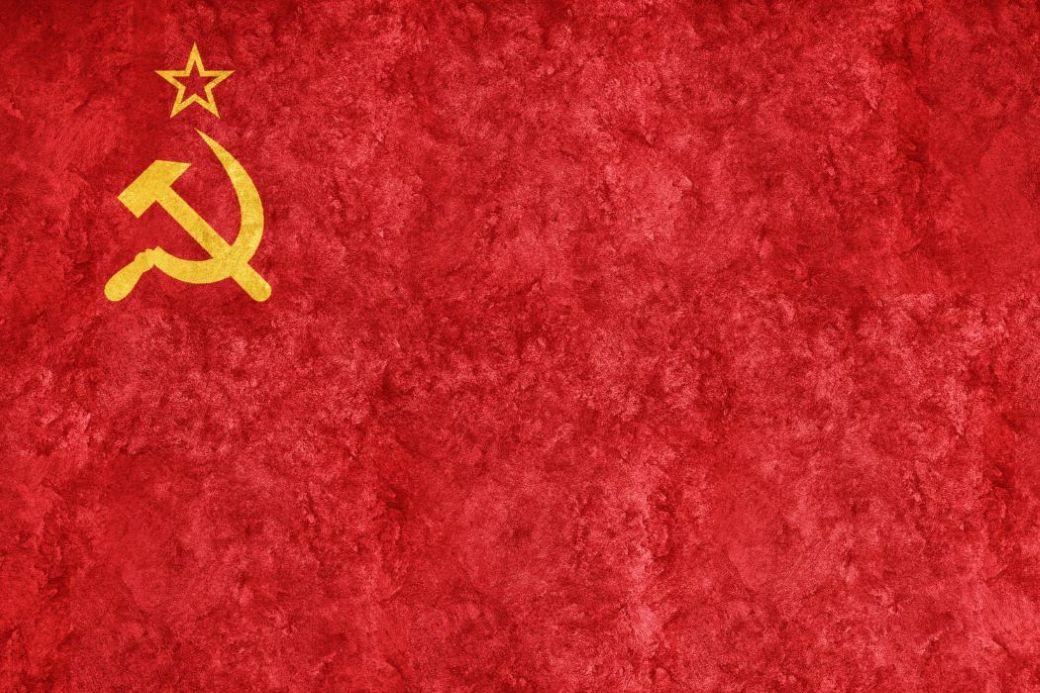
In the 1950s, a strange sickness swept across America, which was neither an aer virus nor a germ. It was a deep and growing panic called the Red Scare that changed how ordinary people saw the world, making them afraid of their own neighbors and making them question teachers, preachers, and even family members.
The Red Scare grew from the fear of communism affecting American public opinion. which deluded thousands into believing that secret enemies lived everywhere–enemies they thought wanted to destroy the American way of life.
Of course, the fear was not rooted in real evidence but came from rumors, angry speeches, and alarming news reports. Yet, despite the shaky ground that it stood on, the Red Scare still cost many Americans their jobs, their friends, and, for some, their freedoms for no good reason.
The Red Scare twisted minds by replacing reason with terror, turning political worldviews into a nightmare.
Let’s look at who caused the fear, at who suffered, and show why the Red Scare still matters today.
Photo by azerbaijan_stockers
The Roots of the Anticommunist Fervor
After World War II, America felt nervous: the Soviet Union was a new enemy. Communism seemed to spread like wildfire, with communist insurgencies springing up everywhere, which was seen as debilitating to perceived American hegemony.
Many Americans did not understand communism (most Americans still don’t), but they were told to hate it–and so they did. Politicians used this fear to their advantage, gaining power as they said communists were hiding in government, schools, and unions.
The Red Scare grew stronger with every new accusation.
Dennis Joiner writes in The Turn: “Between 1945 and 1952, Congress held hearings designed to put an end to un-American activities in the federal government, American universities and public schools, and especially in Hollywood.”
These hearings did not find many real spies, but they did destroy thousands of innocent lives. If someone pointed a finger and called you a communist, you could easily lose your job. No proof was needed; a rumor was enough.
The Red Scare did not protect America but poisoned it.
How Fear of Communism Affected Public Opinion
The Red Scare changed how neighbors treated each other, and people stopped talking openly about politics, avoiding books that seemed unusual, and stopped trusting the news.
Until, finally, they stopped trusting each other.
How fear of communism affected American public opinion was simple: it made people choose safety over truth, even if that safety was merely an illusion.
Further affecting one’s freedoms were libraries pulling books from shelves, schools changing lessons, and even churches worrying about being labeled pro-communist.
The Red Scare did not just target radicals: it targeted anyone who seemed different. If you questioned the government, you were a suspect. If you wanted peace with Russia, you were accused of treason.
Dennis Joiner describes this time as one where “propaganda played an important role,” explaining that the government used movies, radio, and TV to spread fear.
The message was always the same: be afraid.
That fear became a habit as much as it did a way of life.
The Red Scare taught Americans to see enemies everywhere and to be suspicious instead of curious.
The Moment of Clarity That Never Came
For many years, the Red Scare continued without a real moment of clarity. Contrary to popular belief, people did not actually wake up and realize they had been fooled. The fear that had been instilled was too strong, and the lies were too comfortable.
A moment of clarity would have required courage, and that would have meant admitting that innocent people had been hurt.
That was too painful for the spirit.
Instead, the Red Scare faded slowly. Some people lost faith in the accusers, while others got tired of being scared, but the damage was already done. Thousands of people had already lost their careers, and some had gone to prison, others had taken their own lives.
The Red Scare left scars that never fully healed.
Dennis Joiner notes that “the Cold War was an important influence on almost all aspects of American society”, and that included the way people thought about right and wrong.
Fear replaced judgment, and suspicion replaced trust. These all bred a pervasive atmosphere that weakened the cohesion that America had enjoyed before.
The Red Scare did not make America safer: it made America smaller.
The Legacy of the Red Scare
The Red Scare did not end in the 1950s, and its shadow has lasted for decades: later generations learned to be afraid of new ideas and to silence themselves preemptively.
The Red Scare became a model for future panics and, with every time a new threat appears, some people reach for those same old patterns of mistrust and fear.
Dennis Joiner writes that “Americans live in a satanic haze of white hypocrisy—a metaphorical ontological state—where a steady, unvarying, unobtrusive drone of lies, propaganda and agitprop is disseminated around the clock.”
That haze began in the Red Scare, and it never fully lifted.
Today, Americans still struggle to discern the truth from lies, still fearing the wrong things.
The Red Scare was not just a moment in history but a lesson in how easily fear can be used to control people. That lesson remains urgent.
Photo by wavebreakmedia_micro
Do Not Let Fear Win Again
The Red Scare shows what happens when fear replaces thought, showing how quickly a society can turn on itself.
The only cure is courage, truth, and refusing to be afraid of shadows.
If you want to understand how the Red Scare twisted American minds, read The Turn by Dennis Joiner. The book reveals the lies, the fear, and the damage that was done, and more, while also showing a way forward.
Do not let the past repeat itself.
The Turn by Dennis Joiner is available everywhere books are sold. So, get your copy and uncover the truth behind seven decades of fear, lies, and social breakdown. Do not stay in the dark.
Read the book that tells the story America tries to forget.

0 Comments