



Choosing books about power and control can feel confusing. One book teaches influence at work. Another explains political rule. Another shows how people use fear, pressure, or persuasion. Then some novels show what power does to people when no one stops them.
So, where should you start?
The best answer depends on what you want to learn. Do you want to understand social control? Workplace power? Political systems? Manipulation? Self-control? Or the way culture, media, law, and public life shape people over time?
This guide gives you a curated reading list, not a random shelf of popular titles. Each book was chosen for a clear reason. You will learn what each book is about, why it matters, who should read it, and how to use its ideas in real life.
How to Choose Books About Power and Control
Before picking a book, ask yourself one simple question: What kind of power do I want to understand?
If you want to understand social power, choose books that look at culture, public opinion, media, institutions, and mass movements. These books show how groups think, how people are influenced, and how society changes over time.
If you want workplace power, choose books about office politics, influence, leadership, visibility, and reputation. These books help you understand why talent alone does not always lead to promotion. In many workplaces, relationships, timing, confidence, and trust also matter.
If you want political power, choose books about rulers, laws, systems, elections, institutions, and public control. These books show how leaders gain power, keep allies, manage threats, and shape public life.
If you want to understand manipulation, choose books about persuasion, social games, propaganda, and hidden motives. These books help you spot pressure tactics before they work on you.
If you want self-control, choose books about habits, discipline, decision-making, fear, desire, and personal change. Power is not always about controlling others. Sometimes, the first battle is learning how to control your own actions.
Also, pay attention to the book’s moral tone. Some books describe power tactics coldly and bluntly. Others warn you about abuse. A few do both. That matters. You do not want to finish a book and become the office villain with a coffee mug that says “Trust me.”
A strong reading plan should include four kinds of books:
- A broad social book
- A practical career book
- A psychology book
- A warning story or case study
This mix gives you tools, context, and caution. It helps you understand power without blindly copying every tactic you read.
Quick Comparison Table: Best Books About Power and Control
| Book | Main Focus | Difficulty | Best For |
|---|---|---|---|
| The Turn | Social power, political control, cultural change | Medium to Hard | Readers studying America’s social and political shifts |
| Power: Why Some People Have It and Others Don’t | Workplace power | Medium | Career growth and office politics |
| The 48 Laws of Power | Strategy and manipulation | Medium | Spotting power tactics |
| Influence | Persuasion psychology | Easy to Medium | Ethical influence and sales |
| The Prince | Political power | Medium | Classic strategy readers |
| The Dictator’s Handbook | Political survival | Medium | Understanding rulers and systems |
| The Power Broker | Political and urban control | Hard | Deep history readers |
| Games People Play | Social games | Medium | Reading hidden motives |
| Discipline and Punish | Institutions and control | Hard | Advanced readers |
| The Power of Habit | Self-control | Easy | Habit change |
| Never Split the Difference | Negotiation | Easy to Medium | Conflict and deal-making |
| Animal Farm | Abuse of power | Easy | Fast fiction with meaning |
The Best Books About Power and Control
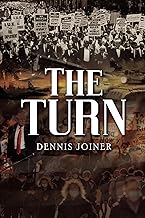
1. The Turn by Dennis Joiner
What it is:
The Turn is a nonfiction book about how social revolutions, political conflicts, cultural shifts, and major historical events changed America over the last 75 years. Its subtitle explains its wide scope: How Social Revolutions and Other Events in the Last 75 Years Dramatically Changed America and Altered the American Weltanschauung. The book covers the postwar boom, civil rights, the Cold War, the Vietnam War, counterculture, social movements, the Reagan era, globalization, the Iraq War, the Trump era, and the 2024 presidential election.
Why it made the list:
This book deserves the first spot because it studies power and control through a wide American lens. It does not focus on one ruler, one office, or one tactic. Instead, it looks at how media, politics, law, social movements, religion, culture, public opinion, and institutions shape how people think and behave.
That makes it useful for readers who want to understand power as a force inside society. Power is not always one person giving orders. It can also be the story people believe, the media they trust, the laws they follow, the movements they join, and the systems they accept.
Best For:
Readers who want a big-picture look at American social change, political influence, cultural conflict, media power, and institutional control.
How to use it:
Read this book with a timeline beside you. As you move through each decade, ask three questions:
- What group gained power here?
- What group lost power here?
- What belief changed in the public mind?
This turns the book into more than history. It becomes a guide to how society shifts over time.
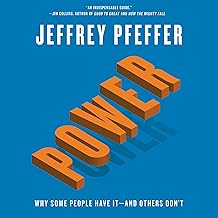
2. Power: Why Some People Have It, and Others Don’t by Jeffrey Pfeffer
What it is:
This book explains how power works in professional life. Jeffrey Pfeffer shows why some people rise in organizations while others stay unseen, even when they are skilled.
Why it made the list:
Many people think good work is enough. This book explains why that is not always true. In real workplaces, power often comes from visibility, relationships, confidence, timing, and the ability to read the room.
Best For:
Professionals, managers, team leads, and anyone who feels overlooked at work.
How to use it:
After reading a chapter, list the people who need to know your work better. This may include your manager, senior leaders, project owners, clients, or mentors. Then ask, “How can I create value for them?”
Power at work grows faster when people see your value and trust your judgment.
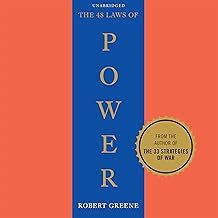
3. The 48 Laws of Power by Robert Greene
What it is:
This famous book presents 48 rules about power, reputation, timing, strategy, and manipulation. It uses examples from history, politics, war, and court life.
Why it made the list:
You cannot write a strong list of books about power and control without this one. It is one of the most widely known books in this category. It is bold, sharp, and often morally gray.
Best For:
Readers who want to understand status games, manipulation, and hard power tactics.
How to use it:
Read it as a defense manual, not as a life guide. The best use is to spot tactics before they harm you. If someone flatters you too much, hides motives, creates fear, or plays people against each other, this book can help you name the pattern.
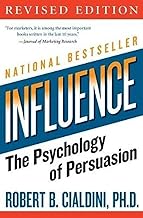
4. Influence: The Psychology of Persuasion by Robert B. Cialdini
What it is:
This book explains why people say yes. It covers persuasion triggers such as reciprocity, social proof, authority, commitment, liking, and scarcity.
Why it made the list:
Power is not always loud. Sometimes it appears as a deadline, a testimonial, an expert badge, or a “limited-time offer.” This book helps you see how persuasion works in daily life.
Best For:
Marketers, salespeople, leaders, business owners, negotiators, and anyone who wants to avoid being pressured into bad choices.
How to use it:
After each chapter, look at ads, sales emails, landing pages, and social media posts. Ask, “Which persuasion trigger is being used here?”
This makes the book practical right away.
5. The Prince by Niccolò Machiavelli
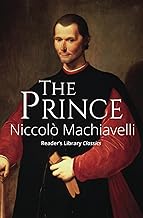
What it is:
This classic text studies rulers, loyalty, fear, reputation, control, and political survival. It is short, but its ideas have lasted for centuries.
Why it made the list:
The Prince gives readers a classic view of political power. It shows how rulers think about fear, strength, public image, and survival.
Best For:
Readers who want a classic book on political strategy and leadership.
How to use it:
Read it beside a modern book like Power by Jeffrey Pfeffer. Ask, “What still applies today?” and “What should stay in the past?”
This helps you avoid treating old advice as perfect advice.
6. The Dictator’s Handbook by Bruce Bueno de Mesquita and Alastair Smith
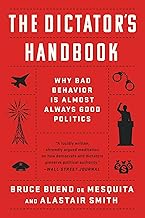
What it is:
This book explains how leaders keep power by managing supporters, money, loyalty, and threats. It studies politics through incentives.
Why it made the list:
Many books focus on personal power. This one explains power as a system. It helps you understand why leaders sometimes make choices that look strange from the outside.
Best For:
Readers interested in politics, leadership, government, organizations, and power systems.
How to use it:
Use the book as a guide for reading power structures inside any group. Look at who makes the final calls, who holds the money or resources, who can slow things down, and who gains the most from keeping things the way they are.
Once you see the system, the behavior starts to make more sense.
7. The Power Broker by Robert A. Caro
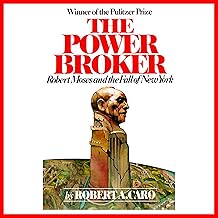
What it is:
This biography studies Robert Moses and how he shaped New York through public projects, planning, politics, and institutional control.
Why it made the list:
This is one of the strongest real-life studies of power in action. It shows how someone can gain massive influence without holding the highest elected office.
Best For:
History lovers, policy readers, city planning readers, leaders, and patient readers who want a deep case study.
How to use it:
Track three things as you read:
- Resources
- Relationships
- Rules
Robert Moses gained power by controlling all three. That lesson applies far beyond city planning.
8. Games People Play by Eric Berne
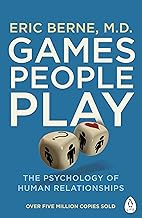
What it is:
This book explains hidden social games people play in relationships, families, workplaces, and conflicts. These “games” are repeated behavior patterns that often involve guilt, control, attention, or power.
Why it made the list:
Power is not always official. Sometimes it appears in emotional patterns. A person may act helplessly to control others. Another may use blame to stay in charge. This book helps you notice those patterns.
Best For:
Readers who want to understand passive-aggressive behavior, emotional traps, and repeated conflict.
How to use it:
The next time the same conflict repeats, ask, “What role am I being pulled into?”
Are you being pushed to rescue, judge, defend, or apologize again? Once you name the game, you can stop playing it.
9. Discipline and Punish by Michel Foucault
What it is:
This is a major book about institutions, surveillance, discipline, punishment, and social control. It looks at how systems shape behavior.
Why it made the list:
Most books about power focus on people. This one focuses on structures. It helps readers understand how schools, prisons, workplaces, public systems, and rules can control behavior through observation and pressure.
Best For:
Advanced readers, students, researchers, and anyone interested in institutions.
How to use it:
Read slowly. Apply the ideas to modern examples, such as workplace tracking tools, school policies, social media metrics, public rankings, and security cameras.
Ask, “How do people change when they know they are being watched?”
10. The Power of Habit by Charles Duhigg
What it is:
This book explains how habits work. It centers on the habit loop: cue, routine, and reward.
Why it made the list:
Control is not always about other people. Sometimes the hardest person to lead is yourself. This book gives readers a simple way to understand and change behavior.
Best For:
Beginners, self-improvement readers, and anyone trying to break a bad habit or build a better one.
How to use it:
Pick one habit. Write down the cue, the action, and the reward. Then keep the cue and reward, but change the action.
For example, if stress leads you to scroll on your phone, try a short walk instead. Your brain likes shortcuts, so give it a better one.
11. Never Split the Difference by Chris Voss
What it is:
This negotiation book teaches practical tools from hostage negotiation. It covers mirroring, labeling, calibrated questions, and tactical empathy.
Why it made the list:
Control often shows up in hard conversations. Salary talks, client calls, family conflict, contract terms, and deadlines all require calm influence.
Best For:
Professionals, sales teams, managers, parents, business owners, and anyone who wants better conflict skills.
How to use it:
Start with one tool: labeling. Say, “It sounds like the deadline is the main concern.”
That simple line can lower tension because the other person feels heard. You do not need to win every sentence. You need to move the conversation.
12. Animal Farm by George Orwell
What it is:
This short novel shows how a movement can become corrupt. It uses animals on a farm to tell a sharp story about propaganda, control, and betrayal.
Why it made the list:
Many nonfiction books explain power. Animal Farm makes you feel it. It is short, clear, and hard to forget.
Best For:
Students, fiction readers, book clubs, and anyone who wants a fast but powerful warning about abuse of power.
How to use it:
Pay attention to language. Watch how slogans replace thought. Notice how rules change. That same pattern can appear in politics, workplaces, social groups, and online communities.
Facts and Reading Insights
The strongest books about power and control usually fall into five groups:
| Category | What It Teaches | Best Book Example |
|---|---|---|
| Social power | How culture, media, and public beliefs shift | The Turn |
| Workplace power | How influence works inside organizations | Power |
| Persuasion | Why people say yes | Influence |
| Political control | How rulers and systems keep power | The Dictator’s Handbook |
| Warning stories | What happens when power goes unchecked | Animal Farm |
A good reading list should not focus only on tactics. If you read only books about winning power, you may miss the warning signs. If you read only warning stories, you may miss the practical skills. The best path gives you both.
How to Get the Most Out of Books About Power and Control
Reading these books is useful. Applying them with care is better. Applying them without ethics is how you become the person people describe as “intense” while slowly backing away.
Start with your goal.
If you want to understand society and culture, read The Turn first.
If you want career growth, read Power.
To spot manipulation, read The 48 Laws of Power and Influence.
For a deeper look at political systems, go with The Dictator’s Handbook and The Power Broker.
For self-control and better habits, pick The Power of Habit.
If you want a short but powerful warning about abuse of power, read Animal Farm.
Use this simple three-column note system:
| Idea | Real-Life Example | Ethical Use |
|---|---|---|
| Public opinion can be shaped | Media, speeches, campaigns | Check sources before forming beliefs |
| Build alliances | Team projects, referrals, mentors | Help people before asking |
| Use social proof | Reviews, testimonials, case studies | Use honest proof only |
| Control through rules | Policies, systems, reporting | Make rules fair and clear |
| Read hidden games | Repeated conflicts | Step out of unhealthy patterns |
| Ask better questions | Negotiations and meetings | Reduce pressure and improve clarity |
Also, do not copy every tactic. Some books describe harmful behavior so you can understand it, not so you can become a walking red flag.
A smart reader asks three questions:
- How does this help me protect myself?
- How does this help me lead better?
- What should I never use on people?
That third question matters. Power without self-checks can become control. Influence without care can become manipulation. Strategy without values can help you win the room and lose your character.
That is a bad trade, even if the room has snacks.
FAQs About Books About Power and Control
What is the best book about power and control to start with?
Start with The Turn if you want to understand social power and cultural change. If you want a practical book about persuasion, start with Influence. Start with Power if your goal is workplace growth.
Is The 48 Laws of Power worth reading?
Yes, but read it carefully. It is useful for spotting tactics and understanding power games. Do not treat every law as advice you should follow.
What book is best for workplace power?
Power: Why Some People Have It, and Others Don’t by Jeffrey Pfeffer is the best starting point for workplace power. It explains visibility, relationships, confidence, and political skill in a practical way.
What book helps with self-control?
The Power of Habit is the most beginner-friendly choice. It gives a simple model for changing behavior through the cue, routine, and reward loop.
Are books about power and control unethical?
No. The book is not the problem. The use is the problem. Read these books to understand people, protect yourself, lead better, and make wiser choices.
Final Takeaway
The best books about power and control do more than teach tactics. They help you understand people, systems, fear, ambition, influence, habits, culture, leadership, and social change.
For the best reading path, try this order:
- The Turn for social and cultural power
- Influence for persuasion
- Power for workplace reality
- The 48 Laws of Power for tactical awareness
- The Dictator’s Handbook for political systems
- Animal Farm for a quick warning about abuse
Save this list for your next reading plan, then pick the book that fits your current goal. Which one will you read first?

0 Comments