



Photo by pressfoto
Understanding wokeism in American politics and media is critical for anyone trying to make sense of today’s headlines. The new culture war that is tearing through communities, workplaces, and families is deeply founded on in-group dynamics, having grown from decades of social change, political battles, and quietly shifting ideas about right and wrong.
In The Turn, Dennis Joiner explains that this conflict represents something deeper than simple disagreement, writing that America now faces “a social and political movement that seeks to address and correct social injustices, inequality, and discrimination.”
But he warns that what started as awareness has become something more troubling: the new culture war is pitting neighbor against neighbor and turning everyday conversations into battlegrounds.
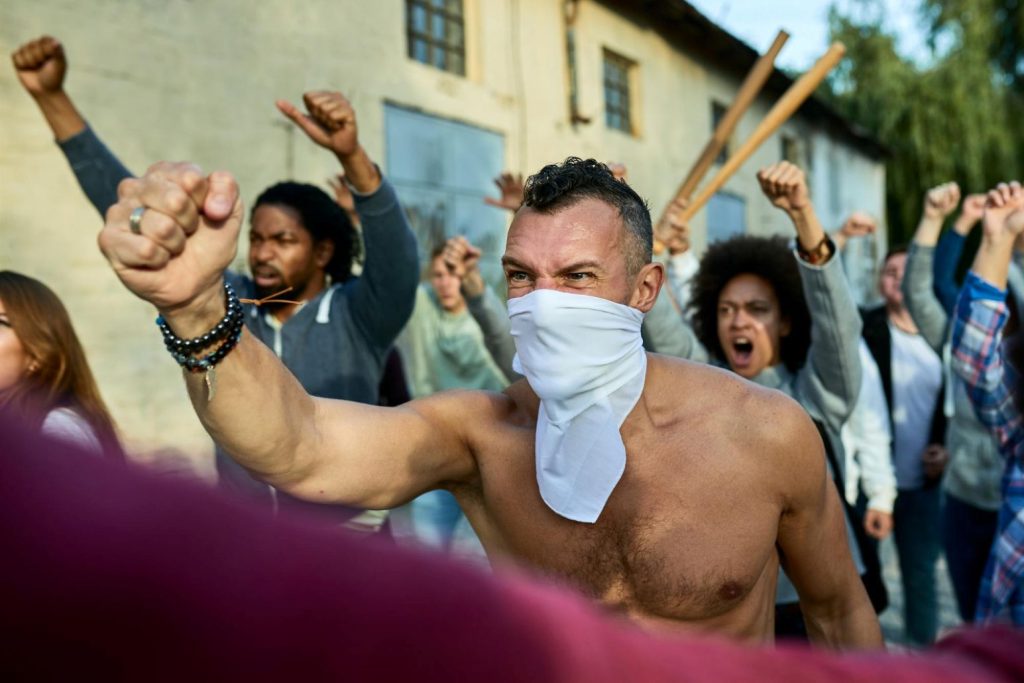
Photo by Drazen Zigic
What Is Wokeism and Why Does It Matter?
Wokeism once began as a genuine concern about the unfair treatment of others. The people of this nascent movement only wanted to point out racism, sexism, and other forms of oppression that were still present in society.
This heightened awareness seemed like a positive step. However, Joiner argues that something changed along the way, describing how “under the auspices of the political left, wokeness drifted into wokenism.”
This shift transformed rightful concern into a rigid belief system.
The new culture war now demands that everyone adopt specific ways of thinking and speaking with those who refuse to face public shaming, job loss, or social rejection.
What started as compassion has become a tool for control, and the ideological divide only grows wider as each side refuses to understand the other.
How Identity Politics Fuels Social Polarization
Identity politics lies at the heart of today’s social polarization, with people encouraged to see themselves first as members of groups based on race, gender, or sexual orientation.
This hyperfocus on group identity makes the new culture war feel personal to millions of Americans. Joiner points out that these movements “emphasize recognizing and challenging systemic issues, like racism, sexism, and other forms of oppression.”
But the result has only been increased division rather than the desired effect of unity. When every disagreement becomes about who you are rather than what you believe, finding common ground becomes nearly impossible.
The ideological divide is deepening because people stop listening to those from different backgrounds, baselessly assuming that anyone outside their group cannot understand their experience.
Cultural Grievance on Both Sides of the Divide
Cultural grievance drives much of the anger in the new culture war as both sides feel attacked and misunderstood. Conservatives believe their values and traditions are under assault, while progressives feel that centuries of injustice have gone unaddressed.
Joiner observes that “wokeism is defined as the promotion of a liberal progressive ideology and policy as an expression of sensitivity to systemic injustices and prejudices.” But sensitivity to one group often feels like hostility to another. This clash of values creates a cycle of resentment. Each side’s complaints fuel the other’s anger. The new culture war becomes a never-ending argument in which no one feels heard, and everyone feels wronged.
The Media’s Role in the Ideological Divide
Television, newspapers, and social media platforms have made the new culture war worse. People now consume news that only confirms what they already believe.
Joiner is harsh in his assessment of modern journalism, writing that “journalists are string puppets controlled, influenced or manipulated by powerful entities or individuals behind the scenes.”
This deliberate and harmful manipulation means Americans rarely get unbiased information. Instead, they receive content designed to provoke emotional responses and reinforce existing beliefs.
The ideological divide will continue to grow because people on different sides literally live in different information worlds, making them unable to agree on even basic facts and making compromise impossible.
The new culture war thrives in this environment of mistrust and misinformation.
How Schools and Universities Became Battlegrounds
America’s classrooms have become central to the new culture war, with parents worrying about what their children are taught about race, history, and gender.
Joiner notes that “progressive education establishment, which has committed gross malpractice by proselytizing and sexualizing American children with ideas about systemic racism, gender identity, and other social issues.”
This concern has led to fierce debates over school curriculum, library books, and classroom discussions. The clash of values plays out at school board meetings and in voting booths, with both sides believing they are fighting for the hearts and minds of the next generation.
The new culture war in education shows no signs of cooling down.
The Workplace and the New Rules of Speech
Many Americans first encounter the new culture war at their jobs because companies have adopted diversity training, hiring practices, and speech guidelines that reflect woke ideology.
Joiner describes this as part of a larger pattern where “the anger and grievances of marginalized identity groups were appropriated and used as a means to attack the American Dream.”
Employees must navigate new rules about what they can say and how they can say it. Some welcome these changes as necessary for inclusion, while others see them as forced conformity.
The workplace, once a place where people focused on getting the job done, has become another front in the ideological divide.
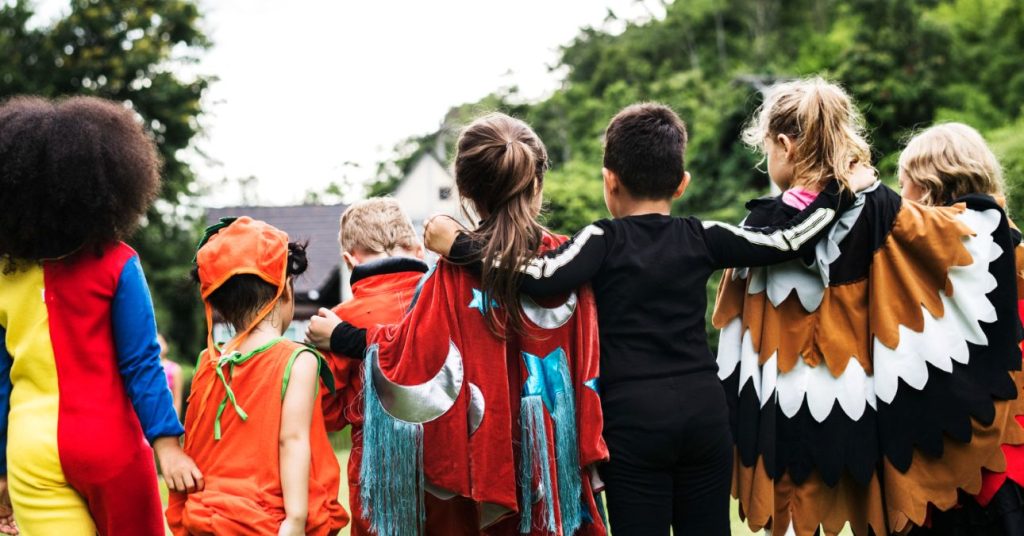
Photo by rawpixel.com
Understanding the Opposition to Wokeism
Not everyone who questions wokeism is motivated by prejudice or hatred, with many Americans simply wanting to preserve space for different viewpoints.
Joiner explains that “wokeism is an ideological tidal wave sweeping through every facet of western culture, taking the form of a new secular religion.”
For those who hold traditional religious or moral beliefs, this new faith is a threat. People’s conservative values are being pushed aside, and their children are being taught different standards of right and wrong.
The new culture war represents a genuine conflict between competing visions of the good life.
Where Do We Go from Here?
The new culture war shows no signs of ending soon, and social polarization has now become baked into American life. Yet, this clash of values only serves those who want Americans fighting each other instead of asking why their wages stay flat, and their healthcare costs keep rising.
Recognizing this manipulation might be the first step toward healing.
Ready to understand how we got here and where we are going? Dennis Joiner’s The Turn is a sweeping look at 75 years of American history and the forces that created today’s conflicts.

0 Comments