


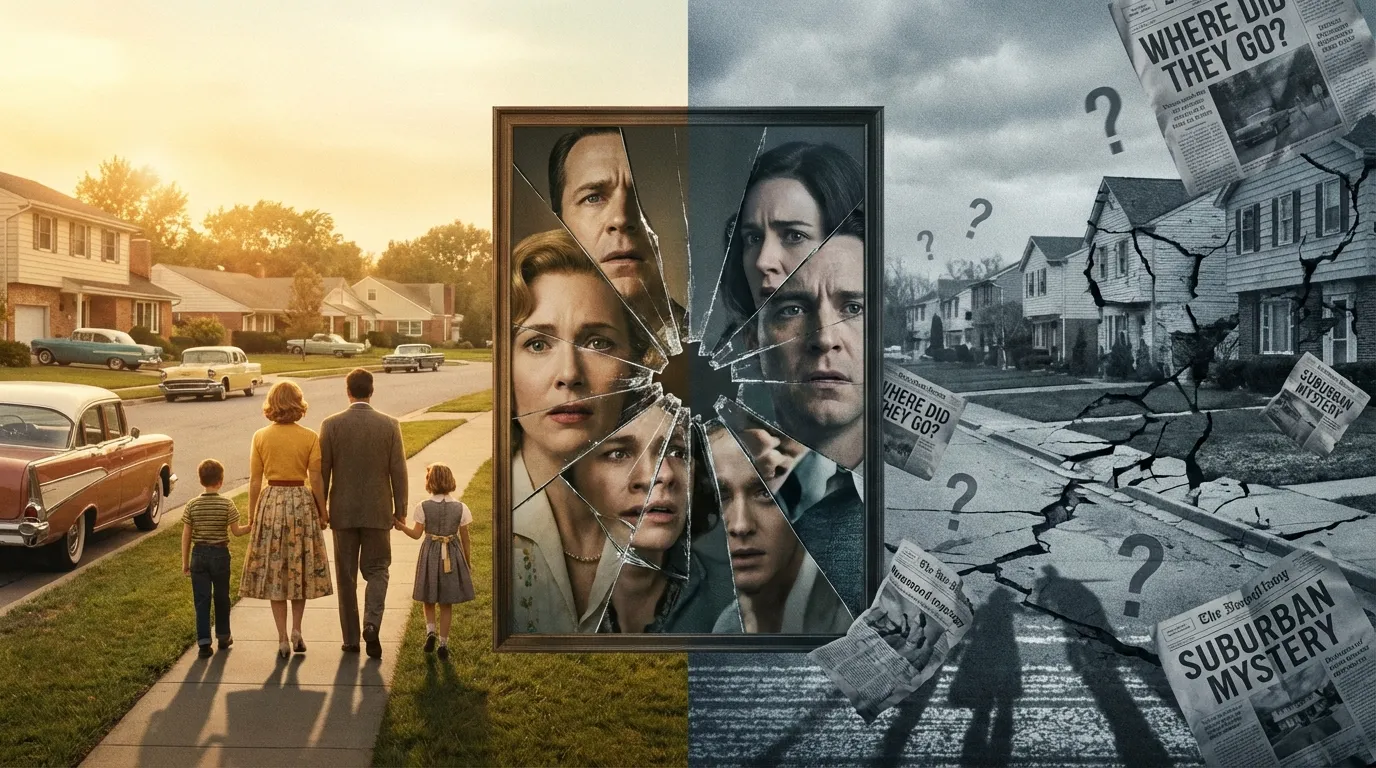
Introduction: It Was Never Just One Day
Most people believe there is a single worst day in American history.
They often say: September 11, 2001. The Civil War’s bloodiest battles. A devastating natural disaster.
But here is the truth:
The worst day is not just about what happened.
It is about what changed after it.
A single event can shake a nation. But the real damage often comes later—through fear, confusion, and how people begin to see each other.
If we only look at the event, we miss the bigger story.
To understand the worst day, we must first understand how The Lens of American History: Almost a Century of Changes shows us that societies are shaped by repeated turning points, not just one.
What Makes a Day the “Worst”?
Before choosing one event, we need to define what “worst” really means.
A day becomes “the worst” when it creates three lasting effects:
- Sudden Loss of Life – Large numbers make headlines. But numbers alone do not define impact.
- Emotional Shock – People feel unsafe. Daily life no longer feels normal.
- Long-Term Change – The country does not return to how it was before.
New fears appear. New rules are created. New divisions begin.
The Most Common Answers (And Their Gaps)
Let’s look at the events people usually point to.
September 11, 2001 – Nearly 3,000 lives lost. Coordinated terrorist attacks. Led to global conflict and new security systems (TSA, Patriot Act, wars in Afghanistan and Iraq). This day created a deep sense of fear that lasted for years.
The Battle of Antietam (1862) – Over 22,000 casualties in one day. Americans fighting Americans. This showed how divided the country had become—and days later, Lincoln issued the Emancipation Proclamation, changing the war’s purpose.
Pearl Harbor (1941) – Over 2,400 dead. Overnight, America went from isolationist to fully engaged in World War II. Fear of invasion gripped the West Coast, leading to Japanese American internment.
Assassination of Abraham Lincoln (April 14, 1865) – Shot just days after the Civil War ended. His death derailed Reconstruction, deepened Southern resentment, and set back racial equality for a century.
Wounded Knee Massacre (December 29, 1890) – Nearly 250 Lakota men, women, and children were killed by U.S. troops. It was the end of the Indian Wars and a symbol of broken treaties and cultural genocide.
Black Tuesday (October 29, 1929) – The stock market crash that triggered the Great Depression. Unemployment hit 25%. Banks failed. Trust in the financial system evaporated for a generation.
All these events share something deeper:
They change how people think. After major events, people begin to question: What is real? Who can be trusted? Are we safe?
When answers are unclear, fear grows. And fear changes behavior.
Why 9/11 Feels Like the Worst Day
Out of all events, September 11 stands out for one reason:
It changed the American mindset overnight.
Before: Safety felt normal. Threats felt distant.
After: Fear became part of daily life. Security became constant. Trust shifted.
It was not just the attack. It was the shift in perception.
But here is the missing piece: that shift did not happen in a vacuum. As Above So Below: Political Messaging Through the Times explains how leaders have used fear, framing, and narrative control for centuries. After 9/11, political messaging turned “terrorist” into an identity, not just an act. That framing changed how millions saw their neighbors, their government, and the world.
The Real Turning Point: Fear and Reaction
Major events trigger strong emotional reactions. People respond in three ways:
- Fear – People focus on survival and protection.
- Blame – Groups begin to point fingers.
- Control – New rules and systems are created to prevent future harm.
These reactions are natural. But over time, they can lead to division, distrust, and social tension.
When repeated, these patterns slowly reshape society.
Consider the 1950s: a decade of apparent calm, but underneath, The Fabulous Fifties: How the American Family Was Changed reveals that prosperity masked loneliness, conformity hid resentment, and the nuclear family became both an ideal and a pressure cooker. That era’s hidden tensions exploded in the 1960s—partly because earlier fears (of communism, of difference, of change) were never truly resolved.
How Repeated “Worst Days” Shape a Nation
One event alone does not define a country. But repeated events can.
Over the decades, the United States has experienced wars, social conflict, political tension, and economic crises. Each event leaves a mark.
Together, they form a pattern of growing mistrust, ongoing division, and emotional fatigue.
Some societies keep revisiting past pain, which keeps wounds open instead of allowing them to heal. The worst day, then, is not always the day of the event. It can be the day we decide to remember only one version of it.
The Role of Information and Perception
Here is something most discussions ignore:
People do not react to events alone. They react to how those events are presented.
When information is repeated, filtered, or unclear:
- Fear increases
- Confusion spreads
- Opinions harden
Over time, people may struggle to tell what is accurate and what is not.
This creates a deeper problem than the event itself.
Political messaging has evolved from Washington’s carefully worded addresses to Trump’s raw tweets—but the goal remains the same: control the narrative. When that narrative breaks into competing realities, a single worst day can mean completely different things to different Americans.
So What Is the Worst Day?
Here is a different way to answer the question:
The worst day in American history is not just the day of the event.
It is the moment when fear replaces clarity and division replaces trust.
That moment can happen during any major crisis. And it can last far longer than a single day.
By that measure, several days qualify:
- December 29, 1890 (Wounded Knee) – Fear of the “other” led to a massacre, and trust between Native peoples and the U.S. government never recovered.
- October 29, 1929 (Black Tuesday) – Fear of economic collapse led to bank runs and a decade of suffering; trust in financial institutions was shattered.
- September 11, 2001 – Fear of terrorism led to the Patriot Act, two long wars, and suspicion of entire communities.
Each of these days fits the definition. But none of them acted alone.
What History Teaches Us
Looking back, a few clear lessons appear:
- Fear spreads faster than facts – People react quickly, often before understanding fully.
- Division grows during uncertainty – Groups separate when trust is low.
- Perception shapes reality – What people believe influences how they act.
- Healing requires awareness – Societies move forward when people understand what happened and why.
As Dennis Joiner’s work shows across decades of American life, the patterns of fear, messaging, and family stress are all connected. The worst day is not an isolated dot on a timeline. It is a knot in a much longer thread.
Why This Question Still Matters Today
People continue searching for the “worst day” because they are trying to understand something deeper:
- Are things getting worse?
- Can history repeat itself?
- What can be done differently?
This question is not just about the past. It is about the present and the future.
If we learn anything from a century of changes, from the evolution of political messaging, and from the hidden costs of the fabulous fifties, it is this:
The worst day is never just one day. It is the days that follow, when we choose fear over understanding and division over common ground.
FAQs
1. What is the worst day in American history?
Most people say September 11, 2001, due to its emotional and long-term impact. But Pearl Harbor, Lincoln’s assassination, and Wounded Knee are also strong contenders.
2. What was the deadliest single day?
The Battle of Antietam had the highest number of military casualties in one day. But the Galveston Hurricane (1900) killed up to 12,000 people.
3. Why is 9/11 considered more impactful?
It changed how people think about safety, security, and global threats—and it was amplified by modern political messaging and 24/7 media.
4. Can natural disasters be the worst day?
Yes. Hurricanes Galveston and Hurricane Katrina caused massive loss of life and exposed systemic failures.
5. Why is it hard to choose one day?
Because impact includes emotional, social, and long-term effects—not just numbers. And different communities experience the same day very differently.
Final Thought: It Was Never Just One Day
The idea of a single worst day is simple. But history is not simple.
The real story is about how events change people—how fear grows, how trust shifts, and how societies respond.
Because in the end:
What happens after the worst day matters more than the day itself.
To understand how we got here—through almost a century of changes, through shifting political messages, and through the transformation of the American family—explore the full lens of history.
- Read: The Lens of American History: Almost a Century of Changes
- Read: As Above So Below: Political Messaging Through the Times
- Read: The Fabulous Fifties: How the American Family Was Changed
Call to Action
What do you believe is the worst day in American history, and why?
Rank it by: lives lost, trust eroded, policy change, or psychological trauma.
Share your thoughts below. Save this article for later. Or send it to someone who enjoys deeper conversations about history and society.

0 Comments