



Do you ever feel like your brain is stuck in neutral? You scroll through social media, watch short videos, and maybe read a quick news headline. But at the end of the day, you feel like you haven’t actually thought about anything deeply. You aren’t alone. Many of us crave mental stimulation that goes beyond the daily grind. We want ideas that challenge what we know. We want stories that force us to look at the world differently.
Finding books that make you think is like finding a hidden gem. It wakes you up. It might make you angry, confused, or inspired. But it will not leave you unchanged. You are not just looking for a way to pass the time. You are looking for a way to expand your mind.
This list is not just a collection of titles. It is a toolkit for your brain. We have combined a curated list of powerful books with a guide on how to read them. You will learn how to pick the right book for your current mood and how to get the most out of the experience. Let’s get your gears turning.
How to Choose a Book That Challenges You (The Ultimate Guide)
Choosing a book that makes you think is different from picking a light beach read. You need a strategy. You want a book that stretches your mental muscles, but you don’t want one that is so dense you quit after ten pages.
What to Look For
First, look at the topic. Do you want to think about society, your own habits, or the future of humanity? If you are happy with your daily routine, maybe a book on social change is what you need. If you feel stuck in your ways, a psychology book might be better. The best “thinking books” often address a problem you didn’t know you had.
Next, check the author’s background. Is this person an expert? A journalist? Or someone who lived through the events they describe? An author with a unique background often brings a fresh point of view. For example, a scientist writing about history offers a different lens than a historian. You want a voice that sounds authentic.
Consider the “Difficulty Level.” Some thinking books are hard work. They have long sentences and big words. Others are easy to read but contain hard truths. If you are new to this genre, start with something accessible. Look for books that say “narrative non-fiction.” These read like stories but teach you facts. If you are a veteran reader, you might want a dense philosophical text.
Finally, read the first paragraph. Does it grab you? A book that makes you think should hook you from the start. It should ask a question you want answered. Don’t be afraid to put a book down if it feels too easy or too boring. Your time is valuable. You want a book that respects your intelligence and rewards your effort.
Avoid the trap of “echo chambers.” It is easy to pick books that agree with what you already believe. But the best thinking happens when your ideas are challenged. Look for a book that makes you say, “I never thought of it that way.” That is the mark of a winner.
The Best Books That Make You Think
Here is our curated list. We have included a mix of history, psychology, and classic fiction. Each one offers a unique mental workout.
1. The Turn by Dennis Joiner
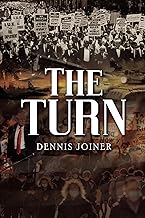
What it is: This is a powerful nonfiction book that examines American history from a fresh, sharp angle. It covers the last 75 years. It starts after World War II and goes all the way to the present day. The author, Dennis Joiner, examines how social revolutions and events have changed the country. He argues that America has undergone a massive shift—a “Turn”—in its culture and values.
Why it made the list: This book is not a standard history textbook. It does not just list dates and facts. Instead, it digs deep into the “why” behind societal changes. It tackles tough subjects like the Civil Rights Movement, the rise of media manipulation, and political corruption. It forces you to question the “official” stories you have been told.
The author argues that Americans live in a “haze of hypocrisy.” He suggests that media and politics have created a state of confusion. He calls this a “dark, twisted, paranoid schizophrenia” in society. This is heavy stuff. This makes you stop and look at the news differently. It asks you to question who benefits from the chaos in the world. It connects the dots between the postwar booms of the 1950s and the political strife of today.
Best For: This is perfect for readers who feel like something is wrong with the modern world but can’t put their finger on it. It is for history buffs who want a different perspective—one that isn’t sugar-coated. If you enjoy books about politics, sociology, and cultural shifts, this is your next read. It is especially good for those who want to understand the roots of current social division.
2. Sapiens: A Brief History of Humankind by Yuval Noah Harari
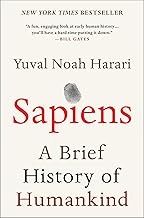
What it is: This book takes you on a journey from the Stone Age to the Silicon Age. It looks at how Homo sapiens became the dominant species on Earth. It covers biology, anthropology, and history.
Why it made the list: Harari challenges the very idea of what it means to be human. He argues that our ability to believe in “shared myths” is what sets us apart. Things like money, nations, and human rights are not physical realities; they are stories we all agree on. This idea alone will change how you view society. You will start to see that almost everything in our world is built on collective belief. It makes you question the structures that rule your life.
Best For: Anyone who wants the “big picture.” If you have ever wondered how we got here, this book has answers. It is great for beginners in history because the writing is clear and engaging.
3. Thinking, Fast and Slow by Daniel Kahneman
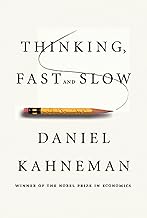
What it is: Nobel Prize winner Daniel Kahneman takes you inside your own brain. He explains the two systems that drive the way we think. System 1 is fast, emotional, and intuitive. System 2 is slower, more logical, and calculating.
Why it made the list: This book makes you think about your own thinking. It exposes the faults in your brain. You will learn about cognitive biases that affect your decisions every day. You will see why you often make bad choices even when you have good information. It is humbling. After reading this, you will catch yourself making mental errors and be able to stop them.
Best For: People interested in psychology, self-improvement, and business. It helps you understand why you (and others) act the way you do.
4. 1984 by George Orwell
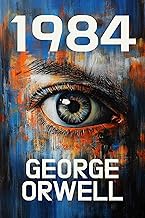
What it is: A classic novel written in 1948. It imagines a future where the government watches every move. History is rewritten constantly. Independent thought is a crime.
Why it made the list: This book is the ultimate warning. It is fiction, but it feels very real. It forces you to think about truth, freedom, and power. Concepts like “Big Brother” and “Thought Police” are now part of our language. Reading it today feels eerie. It makes you look at modern technology and government surveillance with new eyes. It reminds us that freedom of thought is fragile.
Best For: Everyone. It is a short book, but its impact lasts a long time. If you want to understand political language and control, start here.
5. Man’s Search for Meaning by Viktor E. Frankl
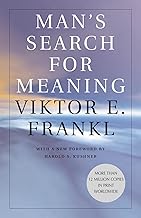
What it is: Part memoir, part psychology. Frankl was a psychiatrist who survived the Nazi concentration camps. He describes his time in the camps and the psychological method he used to survive.
Why it made the list: This book asks the hardest question: What is the meaning of life? Frankl argues that we cannot avoid suffering, but we can choose how to cope with it. He shows that finding meaning is the key to survival. It’s a deeply moving book. It makes your own problems seem smaller. It forces you to evaluate what drives you.
Best For: Anyone going through a tough time or searching for purpose. It is a life-affirming book that changes your outlook on happiness.
6. The Demon-Haunted World: Science as a Candle in the Dark by Carl Sagan
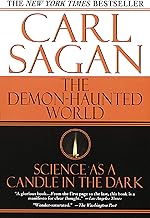
What it is: A plea for scientific thinking. Carl Sagan explains why science is important and how to spot fake science. He teaches the “Baloney Detection Kit”—a set of tools for critical thinking.
Why it made the list: We live in a world full of misinformation. Sagan gives you the tools to cut through the noise. He shows how to ask the right questions. He encourages skepticism. This book protects your mind from scams, lies, and superstition. It empowers you to seek the truth based on evidence.
Best For: Skeptics, science lovers, and anyone who wants to be smarter about the news they consume.
7. Fahrenheit 451 by Ray Bradbury
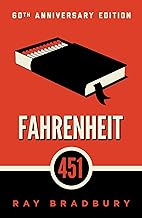
What it is: Another classic novel. It is set in a future where books are banned. “Firemen” don’t put out fires; they start them to burn books. People are distracted by giant TV screens and fast entertainment.
Why it made the list: This book predicts our current world scarily. It shows a society that stopped thinking because they were too entertained. They didn’t want to be sad or challenged, so they got rid of books. It makes you think about how much time you spend staring at screens. It asks if we are losing our ability to focus and think deeply.
Best For: Book lovers, obviously. But also for people worried about the effect of social media and instant gratification on our brains.
8. Brave New World by Aldous Huxley
What it is: A classic dystopian novel often compared to 1984. It imagines a future society where people are genetically engineered for their jobs. They are kept happy and docile with a drug called “soma” and constant entertainment. There is no war or poverty, but there is also no art, science, or true love.
Why it made the list: While 1984 warns about control through fear and pain, Brave New World warns about control through pleasure and distraction. It is a scary look at a society that chooses comfort over truth. It makes you question our current obsession with entertainment and instant gratification. Are we trading our freedom just to be happy?
Best For: Readers who enjoyed 1984 or Fahrenheit 451. It is perfect for anyone worried that modern society is becoming too obsessed with leisure and superficial happiness.
9. Meditations by Marcus Aurelius
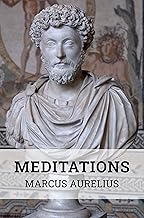
What it is: This is not a typical book. It is a collection of personal writings by Marcus Aurelius, a Roman Emperor. He never meant for these thoughts to be published. He was writing to himself to stay calm and focused while running a massive empire.
Why it made the list: It is the ultimate guide to Stoicism. It teaches you how to handle stress, loss, and difficult people. Even though it was written 2,000 years ago, the advice is incredibly modern. It makes you think about what you can control versus what you cannot. It forces you to look inward and build mental strength.
Best For: Anyone feeling overwhelmed by life. It is a great “nightstand book” because you can open it to any page and find wisdom.
10. The Immortal Life of Henrietta Lacks by Rebecca Skloot
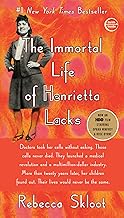
What it is: A work of non-fiction that reads like a mystery novel. It tells the story of a poor black woman named Henrietta Lacks who died of cancer in 1951. Without her knowledge, doctors took her cells. These cells (known as HeLa) became one of the most important tools in medicine, helping develop the polio vaccine and cancer treatments.
Why it made the list: This book makes you think about ethics in science. It raises huge questions about who owns your body. Blends science with the heartbreaking story of the Lacks family, who lived in poverty while their mother’s cells made billions for others. It challenges your view on medical rights and race.
Best For: Science lovers and people interested in social justice. It is a page-turner that will make you angry and inspired at the same time.
11. Quiet: The Power of Introverts in a World That Can’t Stop Talking by Susan Cain
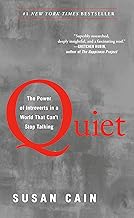
What it is: A deep dive into the psychology of introversion. Susan Cain argues that modern society is designed for extroverts—open offices, loud classrooms, and constant group work. She shows how we lose out on the talents of introverts by ignoring their needs.
Why it made the list: This book changes how you view yourself and others. If you are an introvert, it validates your need for solitude. If you are an extrovert, it helps you understand why some people think differently. It makes you question why we value loud voices over quiet ideas. It will change how you work and how you listen.
Best For: Introverts who feel pressure to be “loud.” Extroverts who want to understand their quiet friends. Parents and managers who want to get the best out of people.
Quick Comparison Table
| Book Title | Author | Genre | Key Takeaway | Best For |
|---|---|---|---|---|
| The Turn | Dennis Joiner | Socio-Political History | History is written by victors; question the narrative. | History buffs, political thinkers. |
| Sapiens | Yuval Noah Harari | History/Science | Shared myths build societies. | Big picture thinkers. |
| Thinking, Fast and Slow | Daniel Kahneman | Psychology | Your brain has two systems; know when to use which. | Decision makers. |
| 1984 | George Orwell | Fiction | Freedom of thought is fragile. | Everyone. |
| Man’s Search for Meaning | Viktor Frankl | Memoir/Psychology | Meaning can be found in suffering. | Those seeking purpose. |
| The Demon-Haunted World | Carl Sagan | Science | Critical thinking protects you from lies. | Skeptics. |
| Fahrenheit 451 | Ray Bradbury | Fiction | Distraction is the enemy of thought. | Book lovers. |
| Brave New World | Aldous Huxley | Fiction | Pleasure can be used to control us just like fear. | Dystopian fans. |
| Meditations | Marcus Aurelius | Philosophy | You control your mind, not outside events. | The stressed and busy. |
| The Immortal Life… | Rebecca Skloot | Non-Fiction/Science | Your biological rights matter. | Science & history lovers. |
| Quiet | Susan Cain | Psychology/Society | Silence is a superpower, not a weakness. | Introverts & leaders. |
How to Get the Most Out of Your Reading
You have picked a book. Now, how do you actually make sure it makes you think? You can’t just skim it. You need a game plan.
Read Actively: Don’t be a passive consumer. Argue with the book. When the author makes a point, ask yourself: “Do I agree?” “Is there evidence?” “Does this match my experience?” If you disagree, write down why. This turns reading into a debate. It makes the ideas stickier.
Take Notes: Keep a pen and notebook handy. Or use a highlighter. When you read a sentence that blows your mind, mark it. When a question pops into your head, write it down. Later, you can look back at your notes. You will see how your thinking has evolved. This creates a record of your mental journey.
Discuss It: Ideas grow when they are shared. Tell a friend about what you are reading. Try to explain the main concept to them. If you can explain it simply, you understand it well. Join a book club or an online forum. Hearing other people’s views on the same text can open your eyes to things you missed.
Let It Sit: Thinking takes time. After you finish a chapter, put the book down. Go for a walk or do the dishes. Let your brain chew on the information. This is where the “deep thought” happens. If you rush through the pages, the ideas will wash over you and fade away. Give yourself space to digest.
Facts & Stats
Why should you invest time in these books? Here is some data to consider:
- Mental Fitness: Studies show that reading complex books increases connectivity in the brain. It strengthens the “white matter” that helps different parts of your brain communicate.
- Empathy: Research from the New School for Social Research found that reading literary fiction improves a person’s ability to understand others’ feelings. It boosts empathy.
- Focus: In an age of 15-second videos, deep reading is one of the few ways left to train your attention span.
- Knowledge Retention: People who take notes by hand (instead of typing) retain information better. This is called the “encoding hypothesis.”
5 Frequently Asked Questions (FAQs)
1. Do I need to be an expert to read these books?
No. Most of these books are written for a general audience. Authors like Harari and Sagan are famous for making complex ideas easy to understand. If a book feels too hard, try reading it a little slower. Look up words you don’t know. You can do it.
2. What if I disagree with the book?
That is great! Disagreement is a sign of thinking. You don’t have to agree with an author to learn from them. Understanding a viewpoint you hate is very valuable. It sharpens your own arguments.
3. Can I listen to these as audiobooks?
Yes. Audiobooks are a fantastic way to “read” while you drive or exercise. However, for very dense books like Thinking, Fast and Slow, you might prefer a physical copy so you can re-read tricky parts.
4. How long should I spend on a thinking book?
Take your time. These are not races. If you read one chapter a day, that is fine. The goal is to understand, not to finish. Some people spend months on a single philosophy book. That is okay.
5. Which book should I start with?
If you like stories, start with 1984 or Fahrenheit 451. If you want to understand society, start with The Turn or Sapiens. And if you want to understand yourself, start with Thinking, Fast and Slow. Pick the one that excites you the most.
Conclusion
Your brain is a muscle. It needs a workout to stay sharp. Reading books that make you think is the best exercise you can do. It is cheaper than a gym membership and lasts a lifetime. Whether you choose to dive into the socio-political depths of The Turn or explore the human mind with Kahneman, you are making a great choice.
You now have a map. You know what to look for and how to read actively. The only thing left is to start.
Which one of these books will you read first? Let us know in the comments below. Or, do you have a favorite “thinking book” that changed your life? Share it with us! We’d love to hear your recommendations. Happy reading

0 Comments