


When “Enough” No Longer Felt Enough
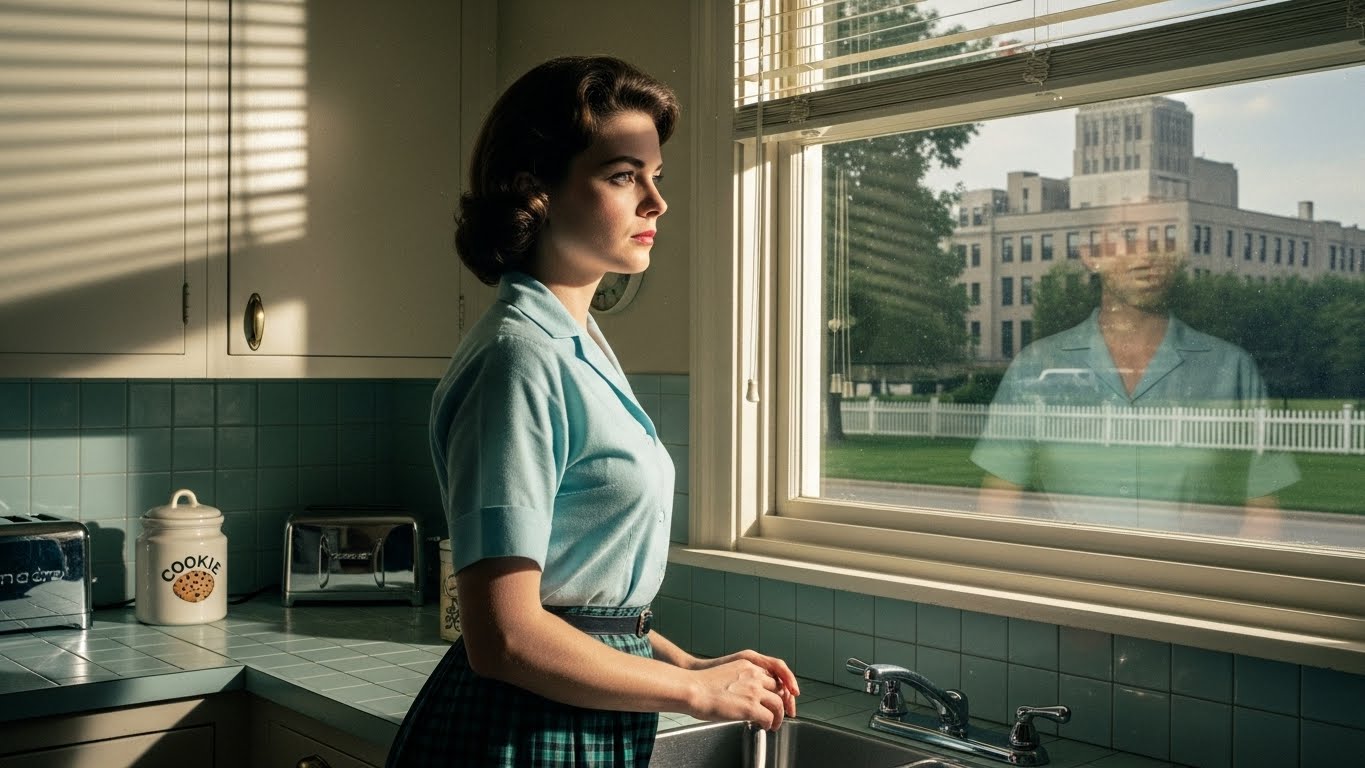
In the 1950s, many women lived lives that looked successful from the outside. Homes were clean. Meals were ready. Children were cared for. Husbands went to work. Neighbors smiled.
Yet inside, many women felt restless.
They followed the rules. They met expectations. Still, something felt off. Days repeated. Choices felt limited. Personal goals often disappeared once marriage began.
In the 1950s and 1960s, women began to want jobs outside the home because of a bigger social change that touched awareness, education, economic pressure, and emotional well-being.
By the 1960s, this quiet discomfort could no longer stay silent. More women wanted work beyond the home, not out of rebellion, but from a growing need for purpose, choice, and identity.
This article explains why women wanted to work outside the home, what caused this shift, and how it changed families and society in lasting ways.
Life for Women in the 1950s: Stability With Tight Boundaries
The Role Women Were Expected to Play
After World War II, society promoted a clear message about womanhood:
- A good woman stayed home
- A good wife supported her husband
- A good mother focuses fully on her children
This message appeared everywhere. Television shows praised homemakers. Magazines taught women how to please their families. Schools guided girls toward marriage, not careers.
Many women accepted this path at first. After years of war, calm felt comforting.
The Emotional Cost of Limited Choice
Over time, the lack of choice became painful.
Women often had:
- No personal income
- No control over finances
- No outlet for ambition
Their value was measured by service, not self.
For many, this created emotional strain. They were busy all day, yet felt unseen. They contributed deeply, yet felt replaceable.
The Main Reasons Women Wanted Jobs Outside the Home
1. Economic Pressure Became Real
One income no longer covers growing expenses.
By the late 1950s:
- Housing costs increased
- Education became more expensive
- Medical care required payment
Families needed support. A second income helped with stability, savings, and security.
Work outside the home was not always about independence. Often, it was about survival.
2. Education Changed Self-Perception
More women gained access to college and training.
Education does more than teach skills. It expands awareness.
Women learned:
- How systems work
- How money flows
- How decisions shape life
Once awareness grows, returning to a narrow role feels unnatural.
Knowledge changes identity.
Awareness Levels That Drove the Shift
Stage 1: Role Awareness
“I am doing what society expects of me.”
Many women lived here at first. They followed rules and routines without question.
Stage 2: Emotional Awareness
“I feel unhappy, even though life looks fine.”
This stage brought confusion. Gratitude existed, yet fulfillment did not.
Stage 3: Self Awareness
“I have thoughts, talents, and needs that matter.”
This stage marked a turning point. Women began to see themselves as individuals.
Stage 4: Awakening
“I deserve choice, growth, and purpose.”
At this stage, work outside the home felt necessary, not optional.
The Impact of World War II on Women’s Confidence
During World War II, millions of women worked in factories, offices, and farms.
They learned:
- Technical skills
- Time management
- Leadership
They earned paychecks. They solved problems. They contributed to national success.
When the war ended, many were asked to return home. Some did. Others remembered their capability.
That memory mattered.
Once confidence forms, it cannot be erased.
Media and the Pressure of Perfection
The Ideal That Did Not Match Reality
Television portrayed happy wives who never tired. Homes stayed clean. Children behaved.
Real life looked different.
This gap created doubt:
- “Why do I feel exhausted?”
- “Why do I feel invisible?”
Comparison led to self-reflection. Self-reflection led to change.
Personal Growth and the Need for Meaning
Humans need purpose.
Household work mattered, but it often lacked:
- Recognition
- Progress
- Feedback
Jobs outside the home offered:
- Clear goals
- Achievement
- Respect
Work provided structure. Structure supported mental health.
Emotional Awareness Inside Marriage and Family
Wanting More Did Not Mean Wanting Less Family
Many women loved their families deeply.
Wanting a job did not mean rejecting motherhood or marriage. It meant wanting balance.
Healthy families grow when:
- Roles are shared
- Respect is mutual
- Communication is honest
As women gained confidence, families slowly adapted.
Jobs as Identity, Not Escape
For many women, work became a way to:
- Express ability
- Build confidence
- Feel useful beyond caregiving
Identity expanded. Women became more than one role.
Facts and Statistics That Show the Change
- In 1950, about one-third of women worked outside the home
- By 1960, that number increased steadily
- By the late 1960s, millions of married women held paid jobs
These numbers reflect a social shift rooted in awareness, not trend.
Long-Term Effects on Society
Women entering the workforce led to:
- Dual-income households
- Expanded education access
- Changes in parenting roles
- Stronger focus on equality
The shift reshaped laws, workplaces, and expectations.
Why This Topic Still Matters
Today, people still ask:
- “Who am I beyond my roles?”
- “How do I balance duty and desire?”
- “How do I find meaning?”
These questions began surfacing widely in the 1950s and 1960s.
The desire for work outside the home reflected a deeper truth:
People want dignity.
People want purpose.
People want choice.
Frequently Asked Questions
1. Why did women want jobs outside the home in the 1950s?
They wanted financial stability, independence, and personal growth as awareness expanded.
2. Was this change sudden?
No. It developed slowly through education, economic need, and emotional awareness.
3. Did all women experience this shift?
No. Experiences varied by culture, class, and opportunity.
4. Did working women abandon family values?
No. Most sought is balance, not replacement of family life.
5. How did this shift affect later generations?
It expanded options and reshaped expectations for women and men.
Call to Action
If this article helped you understand this moment in history:
- Save it for future reference
- Share it with a student or educator
- Leave a comment with your thoughts or family stories
- Join the discussion on how awareness shapes social change
Understanding the past helps us make better choices today. When we take time to reflect on the social turning points that reshaped American life and values, we gain clearer insight into how awareness, identity, and purpose continue to shape the choices we make now.

0 Comments