


Introduction
You’ve probably heard it before. A short line. Easy to remember. Repeated again and again.
It sticks in your mind.
It shapes how you think about a group, a movement, or even a belief.
That simple line is more powerful than it looks.
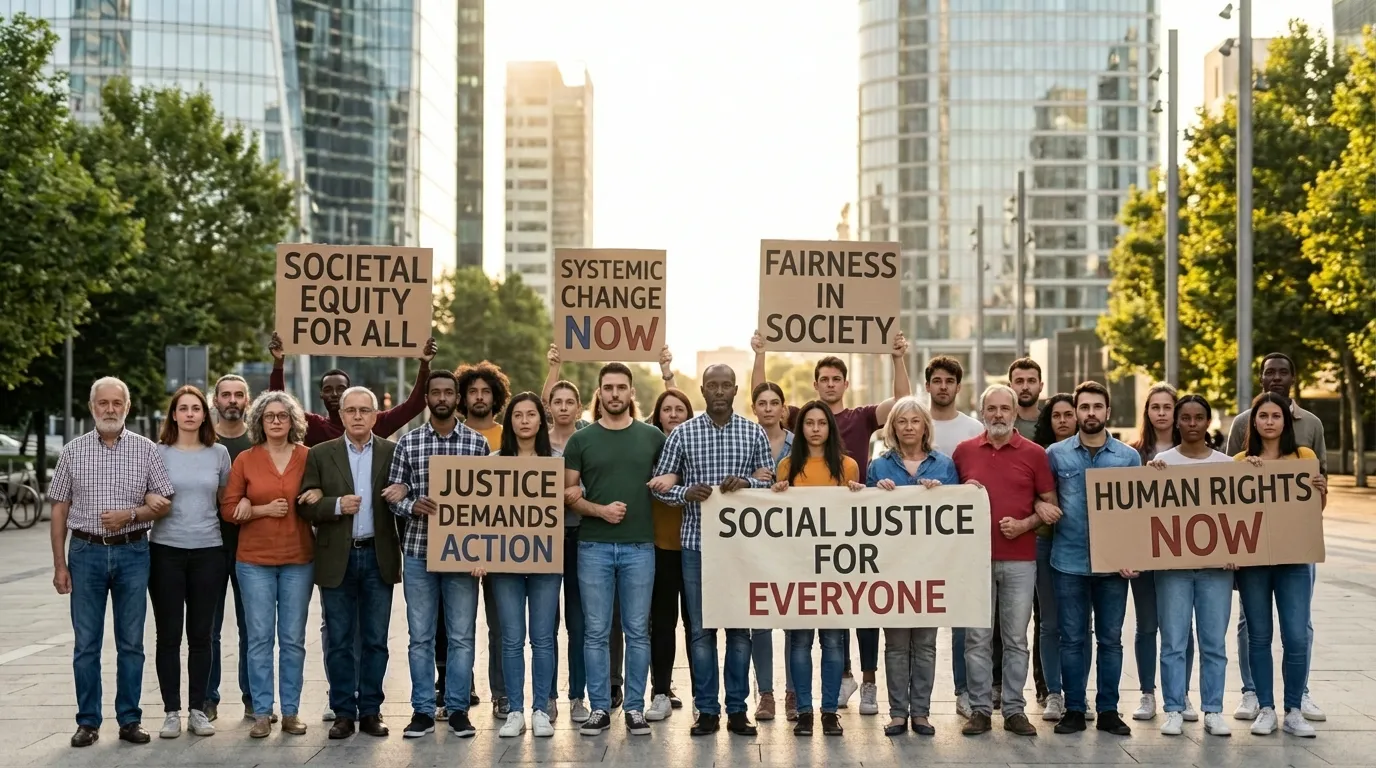
A phrase expressing the aim of a group or party may seem small, but it carries meaning, identity, and direction. It can unite people. It can influence decisions. And over time, it can shape how entire groups behave.
Understanding this idea helps you see how communication works inside culture, movements, and even everyday communities.
What Is a Phrase Expressing the Aim of a Group or Party?
A phrase expressing the aim of a group or party is called a slogan.
It is a short and clear statement that communicates:
- purpose
- belief
- direction
It is designed to be:
- easy to remember
- easy to repeat
- easy to understand
Simple Definition:
A slogan is a short phrase that expresses what a group stands for.
Why Slogans Matter More Than You Think
At first glance, a slogan looks like just a few words.
But those few words carry weight.
1. They Simplify Complex Ideas
Groups often deal with big ideas. Slogans turn those ideas into something simple.
2. They Create Unity
When people repeat the same phrase, they feel connected.
3. They Guide Behavior
Slogans remind people how to think and act within a group.
4. They Influence Perception
A strong slogan shapes how others see the group.
Over time, repeated phrases can influence how people understand reality. When messages are repeated often, people begin to accept them without much questioning.
The Power of Repetition
Repetition is key.
When a phrase is repeated:
- it becomes familiar
- familiarity builds trust
- trust shapes belief
This is why slogans are used in:
- politics
- movements
- advertising
- social groups
Repeated messaging can slowly shape how people think, even without them realizing it.
Examples of Slogans in Real Life
To understand better, look at common examples.
In Politics:
- “Yes We Can”
- “Make America Great Again”
These phrases:
- express direction
- create emotional connection
- encourage action
In Social Movements:
- “Black Lives Matter”
- “Save the Planet”
These slogans:
- highlight a cause
- unite supporters
- spread awareness
In Everyday Groups:
Even smaller groups use slogans.
- fitness communities → “No pain, no gain”
- student groups → “Learn, Lead, Serve”
- online communities → shared phrases and inside language
These phrases shape identity.
How Slogans Shape Identity
A slogan is not just a message.
It becomes part of identity.
When people repeat a slogan:
- they reinforce their beliefs
- they align with a group
- they feel part of something larger
This is how individuals move from:
“I like this idea”
to
“This is who I am”
Connection to Subculture and Counterculture
This is where things get deeper.
Slogans play a key role in both subculture and counterculture.
In Subcultures
Subcultures exist within society.
They use slogans to:
- express shared identity
- create belonging
- reinforce values
These slogans are often subtle.
They reflect lifestyle more than resistance.
In Countercultures
Countercultures challenge society.
Their slogans are stronger.
They:
- reject dominant ideas
- call for change
- express frustration
Here, slogans become tools of resistance.
They are not just phrases.
They are statements of opposition.
When a Slogan Becomes a Movement
Not all slogans stay small.
Some grow into movements.
How does that happen?
Step 1: Clear Message
The phrase is simple and direct.
Step 2: Repetition
People repeat it often.
Step 3: Emotional Connection
It connects to real feelings.
Step 4: Group Adoption
More people start using it.
Step 5: Cultural Impact
It spreads beyond the original group.
At this point, the slogan becomes more than words.
It becomes a symbol.
The Role of Media in Spreading Slogans
The media plays a major role.
In the past:
- television
- radio
Today:
- social media
- video platforms
- online communities
These platforms:
- spread slogans faster
- increase visibility
- create trends
Once a phrase spreads widely, it becomes part of everyday language.
The Risk Behind Powerful Slogans
Not all slogans are positive.
Some can:
- oversimplify complex issues
- spread misinformation
- divide groups
When people rely too much on short phrases, they may stop thinking deeply.
This can lead to:
- misunderstanding
- conflict
- blind agreement
That is why awareness matters.
How to Analyze a Slogan
To better understand a slogan, ask:
1. What is the goal?
What is the group trying to achieve?
2. What emotion does it trigger?
Does it inspire, anger, or unite?
3. What message is repeated?
What idea is being reinforced?
4. Who benefits from it?
Who gains from people believing it?
These questions help you think critically.
Why People Follow Slogans
People are drawn to slogans for simple reasons:
- they are easy to understand
- they provide clarity
- they reduce confusion
- they offer direction
In a complex world, simple messages feel comforting.
The Link Between Slogans and Human Behavior
They shape behavior.
When people accept a slogan:
- it influences decisions
- it affects actions
- it shapes group behavior
Over time, repeated messaging can guide how people respond to situations.
Slogans and Social Change
Many major changes started with simple phrases.
Why?
Because:
- people need a clear message
- movements need direction
- ideas need to spread
A strong slogan can:
- start conversations
- bring people together
- push for change
How to Create an Effective Slogan
If you want to create one, follow these basics:
Keep It Short
Less is more.
Make It Clear
Avoid confusion.
Focus on One Idea
Do not mix messages.
Make It Memorable
Use rhythm or repetition.
Connect Emotionally
People remember what they feel.
Key Takeaways
- A phrase expressing the aim of a group or party is called a slogan
- It communicates purpose, belief, and direction
- It shapes identity and behavior
- It plays a role in both subculture and counterculture
- It can influence society over time
FAQs
1. What is a phrase expressing the aim of a group or party called?
It is called a slogan.
2. Why are slogans important?
They simplify ideas, unite people, and influence behavior.
3. Where are slogans commonly used?
In politics, movements, marketing, and social groups.
4. Can slogans influence people?
Yes. Repeated slogans can shape beliefs and actions over time.
5. Are slogans always positive?
No. Some can spread misinformation or create division.
Final Thoughts
Simple words can carry deep meaning.
A phrase expressing the aim of a group or party may look small, but it can shape identity, guide behavior, and influence society.
The next time you hear a slogan, pause for a moment.
Ask yourself:
- What is it trying to say?
- Why is it repeated?
- How does it make you feel?
Understanding this gives you clarity.
CTA
If this helped you understand how slogans shape people and groups, save this article and share it with someone who enjoys learning about human behavior.
Or better yet, drop a comment:
What slogan has influenced you the most?

0 Comments