


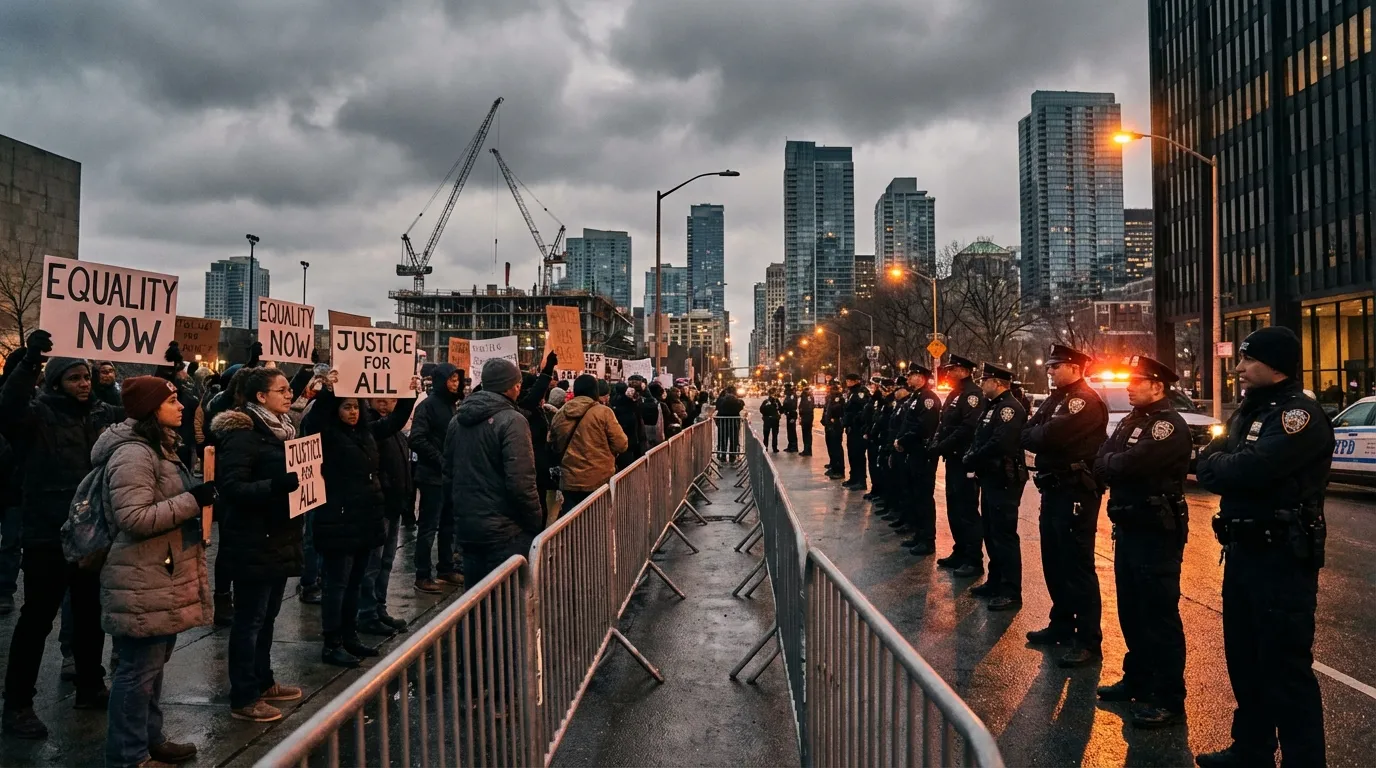
What happens when the struggles of a nation enter the private lives of ordinary people?
That question sits at the center of contemporary fiction dealing with societal conflict. These stories explore how large public issues – race, politics, economic pressure, cultural identity, and social change – shape everyday life.
Instead of presenting society through statistics or news headlines, fiction shows what conflict feels like inside families, neighborhoods, workplaces, and friendships.
A powerful example appears in The Turn by Dennis Joiner, which traces the cultural and political shifts that reshaped American life over the past seventy-five years. The book examines how events such as civil rights protests, wars, political disputes, and economic transformation altered the social fabric of the United States.
Stories built around societal conflict resonate deeply with readers because they reflect the tensions people see around them every day.
What Is Contemporary Fiction Dealing With Societal Conflict?
Contemporary fiction about societal conflict focuses on the tension within a community or nation rather than a single personal struggle.
These novels often explore themes such as:
- racial inequality
- political polarization
- class division
- cultural identity
- social justice movements
- economic uncertainty
- generational change
In these stories, the conflict between individuals often mirrors a larger conflict within society itself.
For instance, a disagreement between neighbors may reflect broader political division. A workplace conflict may reveal deeper issues about race, gender, or opportunity.
By showing how public events influence private lives, these novels help readers understand society in a more human way.
Why Readers Are Drawn to Stories About Social Conflict
Readers often search for books that explore social tension because these stories help them make sense of complex realities.
Three major reasons explain their popularity.
They Turn History Into Personal Experience
Major historical events can feel distant when presented as facts or timelines. Fiction changes that perspective.
For example, The Turn describes how the decades following World War II brought enormous change to American society. Economic expansion, civil rights activism, and Cold War politics created new opportunities while also fueling deep divisions.
In fiction, these events become personal experiences.
Readers may follow a character who lives through racial segregation, political protest, or cultural transformation. The emotional impact of these moments helps readers understand history in a way textbooks rarely achieve.
They Explore Difficult Questions
Societal conflict rarely offers clear answers.
Writers use fiction to explore questions such as:
- How do communities heal after injustice?
- Can people with opposing beliefs coexist peacefully?
- What happens when political systems fail to serve ordinary citizens?
Joiner’s examination of American social change suggests that many conflicts arise from fear, misunderstanding, and competing visions of society. These tensions appear repeatedly throughout modern history and continue to influence public debate today.
Fiction allows readers to reflect on these questions without needing simple solutions.
They Reveal Patterns Across Generations
Many social struggles appear repeatedly throughout history.
Economic inequality, political distrust, and cultural conflict have shaped societies for generations. According to the historical analysis presented in The Turn, many of the tensions visible today grew from shifts that began in the mid-twentieth century and continued through major cultural movements and political transformations.
By tracing these patterns through storytelling, contemporary fiction helps readers see how the past still shapes the present.
Turning Social Conflict Into Powerful Stories
Writers who explore societal conflict rely on several storytelling techniques to bring these issues to life.
Character-Driven Narratives
The strongest stories focus on individuals navigating social tension.
A novel might follow:
- a family confronting economic decline
- a student facing discrimination in school
- a journalist uncovering political corruption
- a community reacting to cultural change
These personal stories transform abstract social issues into emotional experiences.
Historical Context
Many novels set their stories within real historical developments.
Events such as the Civil Rights Movement, the Vietnam War, the Cold War, or economic globalization provide a backdrop for characters navigating change.
Historical works such as The Turn highlight how these events influenced social attitudes, cultural norms, and political institutions over several decades.
When fiction draws from this historical context, it gains authenticity and depth.
Conflict Between Public and Private Life
Societal conflict often appears in personal relationships.
For example:
- A political disagreement may divide a family
- Economic pressure may strain friendships
- Social expectations may challenge personal identity
These conflicts create emotional tension that readers recognize from real life.
Major Social Issues Explored in Contemporary Fiction
Modern novels frequently examine several recurring societal struggles.
Racial Inequality
Few issues have shaped modern storytelling as deeply as race.
Historical systems such as segregation and discriminatory laws created lasting social tension in many countries. The Civil Rights Movement in the United States, for example, exposed decades of injustice and sparked profound political and cultural change.
Analyses like those presented in The Turn highlight how these struggles reshaped American institutions and public debate during the twentieth century.
Many contemporary novels continue to explore the personal impact of these historical conflicts.
Political Division
Political disagreement has intensified across many societies.
Media influence, ideological polarization, and distrust of institutions contribute to public tension. Stories exploring political division often focus on characters navigating misinformation, activism, or the breakdown of civic trust.
These narratives reflect the emotional consequences of living in politically divided communities.
Economic Inequality
Economic pressure is another powerful theme in modern fiction.
Rising costs of living, shrinking middle classes, and job instability affect millions of families.
Research on social change shows that shifts in labor markets, globalization, and technological development have contributed to widening income gaps in many nations. Similar patterns appear in the historical overview provided in The Turn, which discusses long-term changes in economic opportunity and social mobility.
Novels exploring these issues often focus on working families struggling to adapt.
Cultural Transformation
Societies constantly evolve.
New technologies, entertainment media, and changing social norms reshape everyday life.
Television, music, film, and digital communication have all influenced cultural attitudes across generations. Writers often capture these transitions through characters trying to understand a world that feels unfamiliar compared with the one they grew up in.
These stories reflect the universal experience of adapting to social change.
Why These Stories Matter in the Modern Era
Many readers feel that today’s world is changing rapidly.
Political debates dominate public conversation. Cultural disagreements influence communities. Economic uncertainty affects daily life.
Fiction offers a way to examine these realities without the pressure of political arguments.
Stories encourage empathy. They allow readers to explore different perspectives and experiences.
Narratives grounded in historical insight, like those reflected in The Turn, show that today’s conflicts did not appear suddenly. They grew over decades through a complex mix of cultural, political, and economic developments.
Understanding these roots helps readers see the present more clearly.
The Power of Storytelling in Understanding Society
While news reports describe events, stories explain how people live through those events.
A novel can reveal:
- The fear felt during political unrest
- Hope behind social movements
- the frustration of economic hardship
- the courage required to challenge injustice
These emotional experiences bring societal conflict to life.
That is why contemporary fiction remains one of the most powerful tools for exploring modern society.
Frequently Asked Questions
What defines contemporary fiction about societal conflict?
It refers to novels that explore tensions within society – such as political division, racial injustice, economic inequality, or cultural change – through character-driven storytelling.
Why are these stories popular today?
Readers often want books that reflect real social issues. Stories about societal conflict help people understand the forces shaping modern life.
Are these novels based on real events?
Many are inspired by historical developments. Works like The Turn examine real political and cultural transformations that influenced modern society.
Can fiction help readers understand complex issues?
Yes. Stories provide emotional insight into problems that may otherwise feel abstract or distant.
Not always. Their purpose is often to encourage reflection, empathy, and deeper understanding rather than simple answers.
Final Thoughts
Contemporary fiction dealing with societal conflict allows readers to explore the forces shaping modern life through powerful storytelling.
These novels reveal how political disputes, economic change, cultural transformation, and social movements affect ordinary people.
By weaving history and human experience together, stories create a deeper understanding of society.
Books such as The Turn by Dennis Joiner provide valuable insight into the historical events and cultural shifts that have influenced modern social tensions.
Through stories like these, readers gain a clearer view of how societies change and how individuals respond when the world around them shifts.
Call to Action
If you enjoy thought-provoking stories that explore the forces shaping modern society, The Turn by Dennis Joiner offers a compelling historical perspective on seventy-five years of cultural and political transformation.
Discover the full story and explore how social change has influenced generations of American life.

0 Comments