


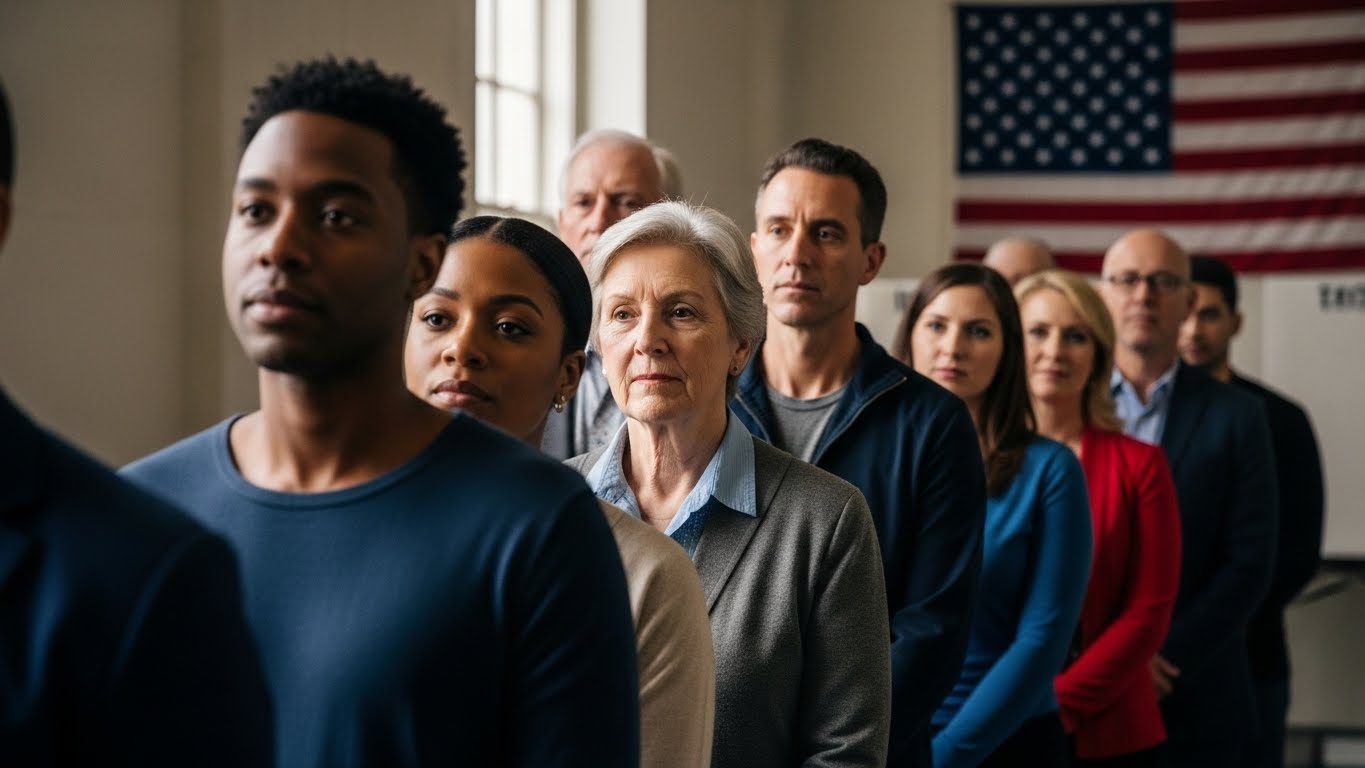
Americans often take pride in their rights: freedom of speech, assembly, and religion. But every right comes with an associated responsibility. Many people wonder, what is one responsibility that is only for United States citizens? Among these duties, one clearly stands apart: the responsibility to serve on a federal jury. For non-citizens, this legal obligation simply does not exist. Unlike paying taxes or following traffic laws, which all residents must adhere to, jury duty is a unique civic commitment reserved strictly for citizens.
The Quick Takeaway: Serving on a federal jury is a responsibility exclusive to U.S. citizens, reflecting both a trust and a legal duty to participate in the judicial process. While other obligations affect residents broadly, jury duty anchors citizenship in tangible, civic action.
Core Comparison: Jury Duty vs. Other Civic Responsibilities
| Responsibility | Citizens Only? | Legal Consequence | Civic Impact |
|---|---|---|---|
| Federal Jury Duty | Yes | Contempt of court, fines | Direct participation in justice; shapes legal precedent |
| Voting in Federal Elections | Yes | Ineligible to vote | Influences leadership and policy direction |
| Paying Federal Taxes | No | Penalties, fines, legal action | Funds government operations; shared societal contribution |
| Obeying Federal and State Laws | No | Criminal penalties | Maintains societal order; protects community welfare |
This matrix highlights why jury duty is singularly tied to citizenship. It cannot be delegated, avoided by non-citizens, or substituted by financial contributions. The law entrusts citizens with a direct role in upholding the principles of the Constitution.
Why Jury Duty Matters for Citizens
Ensuring Fair Trial and Justice
The U.S. Constitution establishes the right to a trial by jury. Citizens ensure this right is operational. Without a pool of jurors drawn from a cross-section of the population, courts would fail to reflect the communities they serve. This duty is not symbolic; it is a direct mechanism for ordinary Americans to influence the application of law, ensuring fairness and accountability.
Reflecting Societal Norms
Jurors bring lived experience to the bench. In the 1950s and 60s, as described in The Turn, societal inequities shaped perceptions of justice. Citizens participating in juries today continue this tradition of bridging law and society, ensuring that verdicts are informed not only by statutes but by the ethical and moral sensibilities of the community.
Civic Responsibility as a Form of Education
Serving on a jury educates citizens about the legal system in ways no classroom can replicate. Citizens witness evidence, weigh arguments, and deliberate collaboratively. This exposure cultivates civic literacy and reinforces the importance of active engagement in democracy.
Historical Context: How This Duty Evolved
The principle of citizen participation in justice dates back to colonial America, but gained constitutional prominence post-Civil War. Following the 14th and 15th Amendments, the U.S. explicitly linked civil rights to citizenship, including participation in civic duties such as voting and jury service. Black Americans, long disenfranchised and excluded from these civic roles, gained formal access to jury duty only after systemic legal barriers were challenged and removed, notably through the Civil Rights Movement and subsequent legislation.
Case Example: Jury Participation and Social Change
In the 1960s, federal juries in the South occasionally included African Americans who were newly enfranchised. Their presence affected outcomes in civil rights prosecutions, demonstrating how citizen responsibility in jury service can advance societal equity. Today, this principle continues, ensuring diverse participation in the judicial process.
Step-by-Step Guide: How U.S. Citizens Fulfill Jury Duty
- Receive Jury Summons
- The U.S. Postal Service delivers a notice to registered voters and licensed drivers. Check the details carefully; ignoring the summons can lead to legal penalties.
- Confirm Eligibility
- Age 18+, U.S. citizen, resident of the jurisdiction, and not disqualified by felony status or mental incapacity.
- Report as Directed
- Follow instructions for date, time, and location. Virtual reporting may be allowed in some jurisdictions.
- Participate in Voir Dire
- Answer questions honestly to determine suitability. Both prosecution and defense seek a fair, impartial panel.
- Deliberate and Render a Verdict
- After the trial concludes, collaborate with fellow jurors. Weigh evidence objectively and follow judicial instructions meticulously.
- Complete Any Required Documentation
- Submit any forms confirming participation, exemptions, or deferrals as instructed.
- Follow-Up if Required
- Some courts request feedback or additional civic reporting to maintain accurate records of civic participation.
Practical Implications for Citizenship
Jury service is not merely a legal formality; it embodies the social contract between citizens and the state. By participating, citizens affirm their commitment to justice, engage with peers across socioeconomic and racial lines, and exercise a form of democratic governance that extends beyond voting. Skipping this duty erodes community trust, whereas fulfilling it strengthens society’s adherence to constitutional norms.
Intersection With Other Rights
Citizen-specific responsibilities like jury duty complement rights. For example, voting, petitioning, and freedom of speech are meaningful when paired with civic accountability. Jury duty reinforces that citizenship is not passive—it is active participation in shaping laws, enforcing justice, and preserving freedoms.
Societal Impact and Long-Term Significance
Participation in jury duty ensures that the judicial system reflects real-world diversity and ethical standards. Historical patterns demonstrate that when marginalized groups are included, legal outcomes shift toward equity. Moreover, widespread civic participation fosters resilience, understanding, and collective responsibility among citizens—qualities highlighted in The Turn as crucial for addressing the country’s sociopolitical challenges.
Non-citizens, regardless of residency or tax contributions, are excluded from this civic function because they have not formally pledged allegiance to the U.S. or received its full legal protections. In return, citizenship grants the authority—and the legal obligation—to participate in this uniquely democratic process.
FAQ: Citizen-Only Responsibilities
1. Can permanent residents be required to serve on a jury?
No. Jury duty is exclusive to U.S. citizens. Permanent residents, green card holders, and visa holders are exempt from federal jury obligations, though some local jurisdictions may have separate civic programs.
2. What happens if a citizen refuses jury service?
Courts may impose fines, hold individuals in contempt, or pursue other legal actions. Each state maintains its own penalties for non-compliance, and federal cases often mirror these consequences.
3. How does jury duty differ from voting?
Voting allows citizens to influence policy through elected representatives. Jury duty involves direct participation in the legal process, affecting case outcomes and upholding constitutional protections.
4. Are there exemptions for jury duty?
Yes. Citizens can request deferrals for health, financial hardship, or essential responsibilities. Courts review these requests individually, but the legal obligation remains inherent to citizenship.
5. Why is jury duty considered a civic responsibility?
Serving on a jury embodies the citizen’s pledge to uphold justice, maintain constitutional integrity, and participate actively in governance. It is a tangible, legally mandated contribution to the public good that non-citizens are not permitted to perform.
References & Further Reading

0 Comments