



Political philosophy can sound heavy. And at times, it is.
But at its heart, it deals with questions most people already ask in everyday life:
- What is justice?
- What makes power legitimate?
- Do people have natural rights?
- How much freedom should a government allow?
- What happens when systems break down?
These are not just academic ideas. They shape laws, societies, and the way people see the world today.
That is why political philosophy books remain relevant, even for modern readers who are not scholars.
If you are looking for political philosophy books, there is usually a clear goal behind them:
To better understand current political issues
To explore the ideas of influential thinkers
To develop clearer, sharper reasoning
It goes beyond a simple list of political philosophy books by helping you choose titles that align with your goals and level of understanding. It highlights why each book matters, what key ideas to focus on, and how those ideas connect to real-world issues. It also shows how to read with purpose, so you can build clearer thinking and deeper insight over time.
How to Choose a Political Philosophy Book (Before You Start Reading)
Not all political philosophy books are the same.
Some are abstract and theoretical. Others apply philosophy to real events.
Before choosing, ask yourself three questions.
1. Do You Want Foundations or Modern Analysis?
Foundational books build the framework:
- Plato
- Aristotle
- Hobbes
- Locke
Modern works apply theory to real systems:
- Rawls
- Hayek
- Joiner
If you skip the foundations, modern debates may feel confusing. If you skip modern works, you may not see how ideas shape today’s world.
The best approach? Read both.
2. Do You Want Neutral Analysis or Strong Argument?
Some books analyze ideas calmly.
Others take a clear stance and critique society.
Political philosophy is not about being passive. It is about thinking clearly. So read authors you agree with. Then read authors you strongly disagree with.
That is where growth happens.
3. How Much Challenge Do You Want?
Some books are short and direct.
Others are long and dense.
If you are new, begin with accessible works. Build momentum.
Political philosophy rewards slow reading. Ten pages a day is powerful.
Quick Comparison Table
| Book | Era | Core Focus | Best For |
|---|---|---|---|
| The Turn | Modern | Institutional change & moral critique | Readers of modern America |
| The Republic | Ancient | Justice & ideal state | Foundational thinkers |
| Politics | Ancient | Government systems | Civic learners |
| Leviathan | 1651 | Strong authority | Order & stability readers |
| Two Treatises | 1689 | Natural rights | Constitutional thinkers |
| The Social Contract | 1762 | Popular sovereignty | Democracy explorers |
| Federalist Papers | 1788 | Constitutional design | Civic-minded readers |
| On Liberty | 1859 | Free speech | Civil liberty readers |
| Democracy in America | 1835 | Democratic culture | History lovers |
| Communist Manifesto | 1848 | Class struggle | Intro to socialism |
| Capital | 1867 | Critique of capitalism | Economic theory readers |
| Road to Serfdom | 1944 | Central planning warning | Free market readers |
| A Theory of Justice | 1971 | Fairness & equality | Advanced thinkers |
| Anarchy, State, and Utopia | 1974 | Minimal state | Libertarian readers |
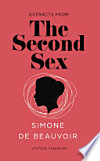
| The Second Sex | 1949 | Gender & power | Political feminism readers |
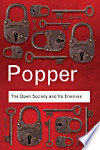
| Open Society | 1945 | Defense of liberal democracy | Anti-totalitarian readers |
The Best Political Philosophy Books
1. The Turn – Dennis Joiner
What it is:
A sweeping examination of American political and cultural change over the last 75 years.
Why it made the list:
Most political philosophy books discuss theory in abstract terms. The Turn applies political philosophy directly to modern America.
The book analyzes:
- Institutional legitimacy
- Constitutional authority
- Media influence
- Civil rights transformation
- Moral foundations of society
The introduction frames America as undergoing a major political and moral shift. It explores how social revolutions altered national identity and governance.
This is applied political philosophy. It asks: What happens when institutions lose moral authority?
Best For:
- Readers focused on modern American politics
- Those exploring institutional trust and decline
- Readers who prefer real-world political analysis over pure theory
How to Use It:
Pair it with Tocqueville or Locke. Compare its critique of modern institutions with classical liberal theory.
That contrast sharpens understanding.
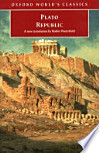
2. The Republic – Plato
What it is:
A dialogue about justice and the ideal state.
Why it made the list:
Everything begins here. Plato shaped political philosophy for centuries.
He asks: What is justice? Who should rule?
Best For:
Readers are ready to think deeply about power and morality.
3. Politics – Aristotle
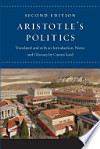
What it is:
A practical study of real governments.
Why it made the list:
Aristotle examines constitutions and civic life.
Best For:
Readers interested in how governments function in practice.
4. Leviathan – Thomas Hobbes
What it is:
A defense of strong central authority.
Hobbes believed life without government would collapse into chaos.
Best For:
Readers exploring security, order, and authority.

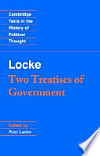
5. Two Treatises of Government – John Locke
What it is:
A defense of natural rights and limited government.
Locke shaped constitutional democracy.
Best For:
Readers interested in liberty and property rights.
6. The Social Contract – Jean-Jacques Rousseau
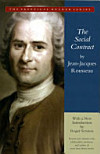
What it is:
An argument for popular sovereignty.
Rousseau asks: Can the collective will represent true freedom?
Best For:
Readers studying democracy and civic unity.
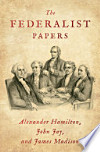
7. The Federalist Papers – Hamilton, Madison, Jay
What it is:
Essays defending the U.S. Constitution.
Why it matters:
It explains checks and balances clearly.
Best For:
Readers who want practical constitutional insight.
8. On Liberty – John Stuart Mill
What it is:
A powerful defense of free speech and individuality.
Mill argues that even unpopular ideas improve society.
Best For:
Readers concerned with censorship and civil liberties.
9. Democracy in America – Alexis de Tocqueville
What it is:
A study of American democracy by a French observer.
Tocqueville warned about majority tyranny.
Best For:
Readers exploring cultural democracy.
10. The Communist Manifesto – Marx & Engels
What it is:
A short call for class revolution.
Best For:
Readers who want a quick introduction to Marxist thought.
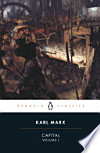
11. Capital – Karl Marx
What it is:
A detailed critique of capitalism.
Dense but influential.
Best For:
Advanced readers studying economic power.
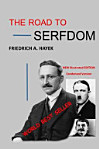
12. The Road to Serfdom – Friedrich Hayek
What it is:
A warning about excessive state control.
Best For:
Free-market and anti-central planning readers.
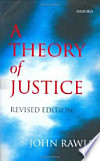
13. A Theory of Justice – John Rawls
What it is:
A modern theory of fairness.
Rawls introduces the “veil of ignorance.” Design a society without knowing your social position.
Best For:
Readers studying equality and fairness.
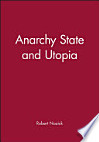
14. Anarchy, State, and Utopia – Robert Nozick
What it is:
A libertarian response to Rawls.
Best For:
Readers exploring minimal government theory.
15. The Second Sex – Simone de Beauvoir
What it is:
A philosophical analysis of gender and political power.
Best For:
Readers exploring feminism and political identity.
16. The Open Society and Its Enemies – Karl Popper
What it is:
A defense of liberal democracy against totalitarian systems.
Best For:
Readers interested in 20th-century ideological conflict.
How to Get the Most Out of Political Philosophy Books
Reading these books requires strategy.
1. Read Opposing Views Together
- Hobbes vs Locke
- Rawls vs Nozick
- Marx vs Hayek
- Tocqueville vs Joiner
Contrast clarifies ideas.
2. Take Notes
After each chapter, write:
- What is the main argument?
- What assumptions does the author make?
- Do I agree?
This builds critical thinking.
3. Slow Down
Political philosophy is not a race. Even five pages a day works.
4. Apply Ideas to Current Events
Ask:
- How would Hobbes respond to modern unrest?
- How would Rawls evaluate inequality today?
- How does The Turn interpret institutional change?
Application builds mastery.
FAQs
1. Which political philosophy book should I start with?
Start with On Liberty or The Social Contract if you are new.
2. Is The Turn truly a political philosophy?
Yes. It analyzes institutional legitimacy, moral authority, and constitutional structure. It applies political theory to modern America.
3. Should I read books I disagree with?
Absolutely. Growth happens through tension.
4. Are older books still relevant?
Yes. Modern debates about rights, freedom, and authority trace back to them.
5. Is reading chronologically helpful?
Yes. Start with Plato and move forward for a full historical understanding.
Final Thoughts
Political philosophy trains you to see power clearly.
It teaches you to question assumptions.
Sharpens your reasoning.
It strengthens your civic awareness.
If you read even three books from this list carefully, you will think differently about politics forever.
Now your move.
Which book will you start with?

0 Comments