


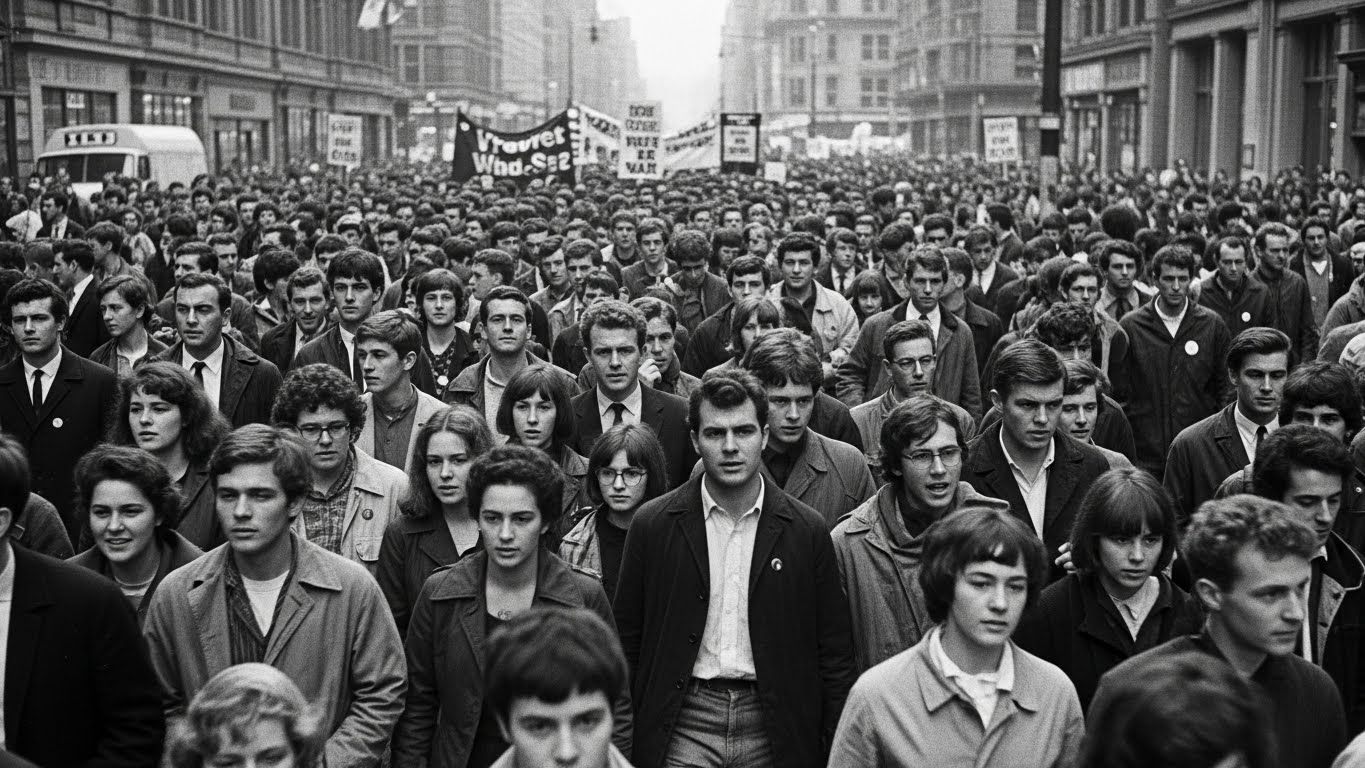
How a Youth Rebellion Opened America’s Eyes
The question sounds simple:
What was one effect the counterculture had on American life?
But behind that short question is a huge story about a nation waking up.
When people search this topic, they want a clear answer. They also want to understand how a group of young people in the 1960s pushed everyday Americans to see life, fairness, war, and identity in a new way.
So here is the short answer:
One major effect of the counterculture was that it made Americans more politically aware and more willing to question authority.
But that one effect changed everything else.
It shaped how families talked at the dinner table.
It shaped how people viewed war, freedom, race, and their own inner lives.
It pushed many into a painful but powerful kind of self-awareness.
This article explains how that happened – in simple language, with clear examples, and with deeper human insight. Let’s go step-by-step.
How the Country Looked Before the Counterculture Arrived
In the 1950s, most Americans valued:
- Order
- Strong institutions
- Traditional family roles
- Respect for government
- A sense of duty
Television showed happy suburbs and smiling families. Many believed the country was stable and good.
But under that surface, real tension was growing:
- The Civil Rights Movement was demanding justice.
- The Cold War brought fear of nuclear attack.
- The Vietnam War was pulling thousands of young men overseas.
People felt pressure. They felt fear. They felt guilt. But they kept quiet.
Then came the 1960s.
And silence broke.
The Counterculture Steps In: A Shockwave of Awareness
The counterculture was led mostly by young people – students, activists, artists, musicians, veterans returning from war, and anyone who felt trapped in old rules.
They questioned:
- War
- Racism
- Gender roles
- Materialism
- Blind trust in leaders
This questioning was not polite. It was loud. It was raw. It was emotional.
And millions of Americans were forced to look at life with fresh eyes.
This is the key effect:
The counterculture pushed Americans into a new level of political awareness.
Let’s break that down into real, human experiences.
1. Americans Started Asking Hard Questions About Government
For the first time, people watched war from their living rooms.
Images of bombings, wounded soldiers, and grieving families filled the screen.
People thought:
- “Why are we there?”
- “Can I trust the leaders who tell me this is right?”
- “What if they are hiding the truth?”
This shift — from quiet trust to active questioning — was huge.
It changed how citizens saw power.
It also sparked inner conflict.
People felt shame for staying silent.
They felt anger when leaders lied.
They felt guilt when they supported something they did not understand.
This emotional tension raised the country’s awareness, much like a personal awakening.
Painful at first, but necessary.
2. People Became More Aware of Injustice
The counterculture lived side-by-side with the Civil Rights Movement.
People saw peaceful marchers attacked with fire hoses and clubs.
They saw unfair laws.
They saw the reality of racial violence.
And something inside the public began to shift.
Americans were not just “learning facts.”
They were feeling something deeper:
- empathy
- sorrow
- outrage
- responsibility
When a nation starts feeling instead of ignoring, awareness rises.
And with that awareness comes change.
3. Women Found Their Voice – And Refused to Give It Back
Women began to question:
- Why is my role so limited?
- Why is my work unpaid or undervalued?
- Why do men control laws about my body and my choices?
The counterculture encouraged honesty about these feelings.
It encouraged women to speak with boldness instead of guilt.
It helped remove shame from dreams, careers, and independence.
This pushed a major rise in:
- women entering the workforce
- women delaying marriage
- women fighting for equal rights
Political awareness became personal awareness.
And personal awareness led to courage.
4. Young People Rejected Old Social Rules
This effect is easy to see:
- Long hair
- Bright clothes
- Music that felt wild and free
- New ideas about love and relationships
- Open talk about feelings, trauma, and identity
These were not small changes.
They signaled a deeper message:
“I get to decide who I am.”
For many, this was the first time they heard that idea.
This sense of freedom also aligned with rising self-awareness inside individuals.
People were learning to face anger, fear, guilt, and the weight of expectations — and break free from them.
5. Vietnam Veterans Brought Home a Different Kind of Honesty
The counterculture was not only filled with college students.
Many veterans joined after seeing war up close.
They talked openly about:
- fear
- grief
- survivor’s guilt
- moral injury
- the struggle to feel normal again
Their honesty forced America to stop pretending everything was fine.
It also inspired new conversations about healing, trauma, and forgiveness — themes deeply connected to emotional growth and awakening.
6. The Counterculture Sparked a Movement Toward Inner Growth
One effect many people overlook is this:
Americans became more interested in personal growth, inner peace, and emotional healing.
People wanted:
- meditation
- spiritual openness
- therapy
- self-reflection
- nonviolent ideals
- honest talk about guilt and forgiveness
These ideas came from real pain — not from trends.
People were trying to:
- heal from war
- heal from family pressure
- heal from racism and violence
- heal from their own mistakes
- heal from the feeling that life was out of their control
The counterculture gave them permission to face that pain and grow beyond it.
Why This ONE Effect Still Shapes American Life Today
The rise in political awareness did not fade after the 1960s.
You still see its influence in:
- activism
- civil rights movements
- online debates
- distrust of corrupted leaders
- demands for transparency
- mental health awareness
- spiritual seeking
- therapy culture
- equality movements
When Americans question power, they are living out this legacy.
When Americans talk about trauma, healing, and forgiveness, they are living out this legacy.
When Americans demand fairness or fight injustice, they are living out this legacy.
Awareness spread, and it never went back inside the box.
FAQs
1. What was one effect of the counterculture on American life?
It made Americans more politically aware and more willing to question authority. This changed attitudes about war, justice, and personal freedom.
2. Why did young people reject old values?
They felt the old rules ignored real pain — war, racism, fear, and pressure to “fit in.” They wanted a life that felt true and honest.
3. How did the counterculture affect families?
Families fought more about politics, gender roles, and personal choices. But these conflicts pushed many families into deeper honesty and growth.
4. Did the counterculture help create modern activism?
Yes. Today’s movements for equality, justice, and environmental action grew from the awareness raised in the 1960s.
5. Is the counterculture still influencing American life?
Very much. The focus on emotional healing, forgiveness, authenticity, and questioning power comes straight from this era.
Final Thoughts: Awareness Always Starts With a Question
The counterculture did more than create protests.
It created a shift inside millions of Americans.
People began asking:
- “Is this fair?”
- “Is this right?”
- “Is this who I want to be?”
Those questions are the start of awareness, the start of healing, and the start of change.
And that is why this one effect — political awareness — still shapes the way Americans think, feel, and grow today.
If this helped you…
Leave a comment, save this article for your study notes, or share it with someone who loves history or personal growth.
You’re part of this story too.
Awareness grows one question at a time.

0 Comments